admin

Jul 252016
 
Telescope Celestron C8
Camera Sony Alpha
Exposure [F:1×1/160s@ISO 100]
Software Corel Paint Shop Pro


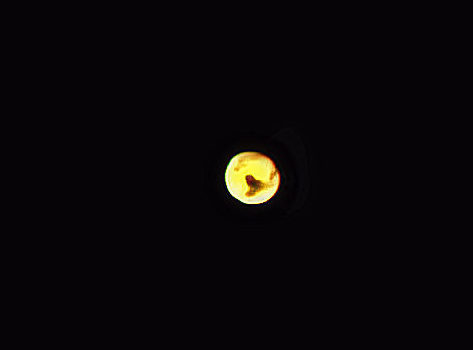
Mars: Large dark surface marking in center is Syrtis Major.

Mars : Large dark surface marking in center is Syrtis Major.

Telescope Celestron C8
Camera Skyris 236C
Exposure [F:148×1/10s]
Software Registax, Corel Paint Shop Pro


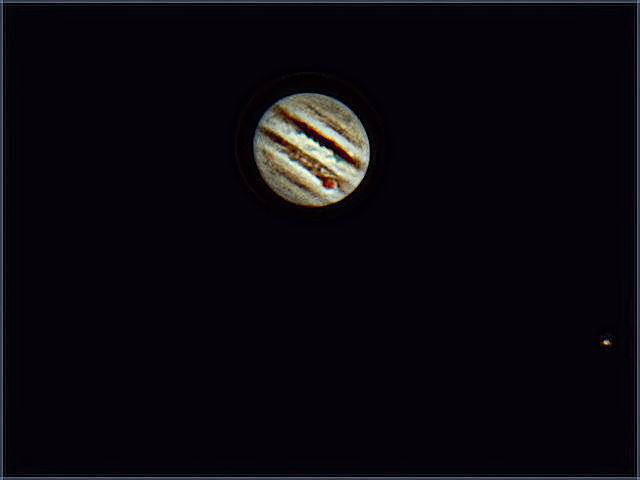
Jupiter: Dark spot is shadow of Io.  Ganymede is to the upper right.

Jupiter: Dark spot is shadow of Io. Ganymede is to the upper right.

Telescope Celestron C8
Camera Skyris 236C
Exposure [F:148×1/10s]
Software Registax, Corel Paint Shop Pro


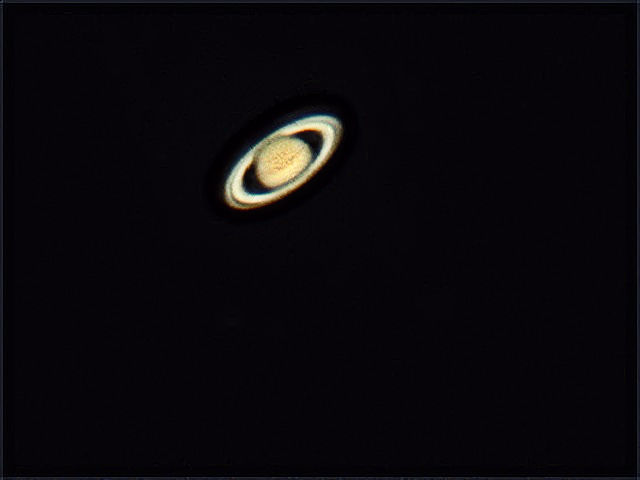
Saturn: Note Cassini division visible in ring plane.

Saturn: Note Cassini division visible in ring plane.

Telescope Celestron C8
Camera Skyris 236C
Exposure [F:446×1/15s]
Software Registax, Corel Paint Shop Pro
 Posted by at 10:39 pm
Jul 192016
 

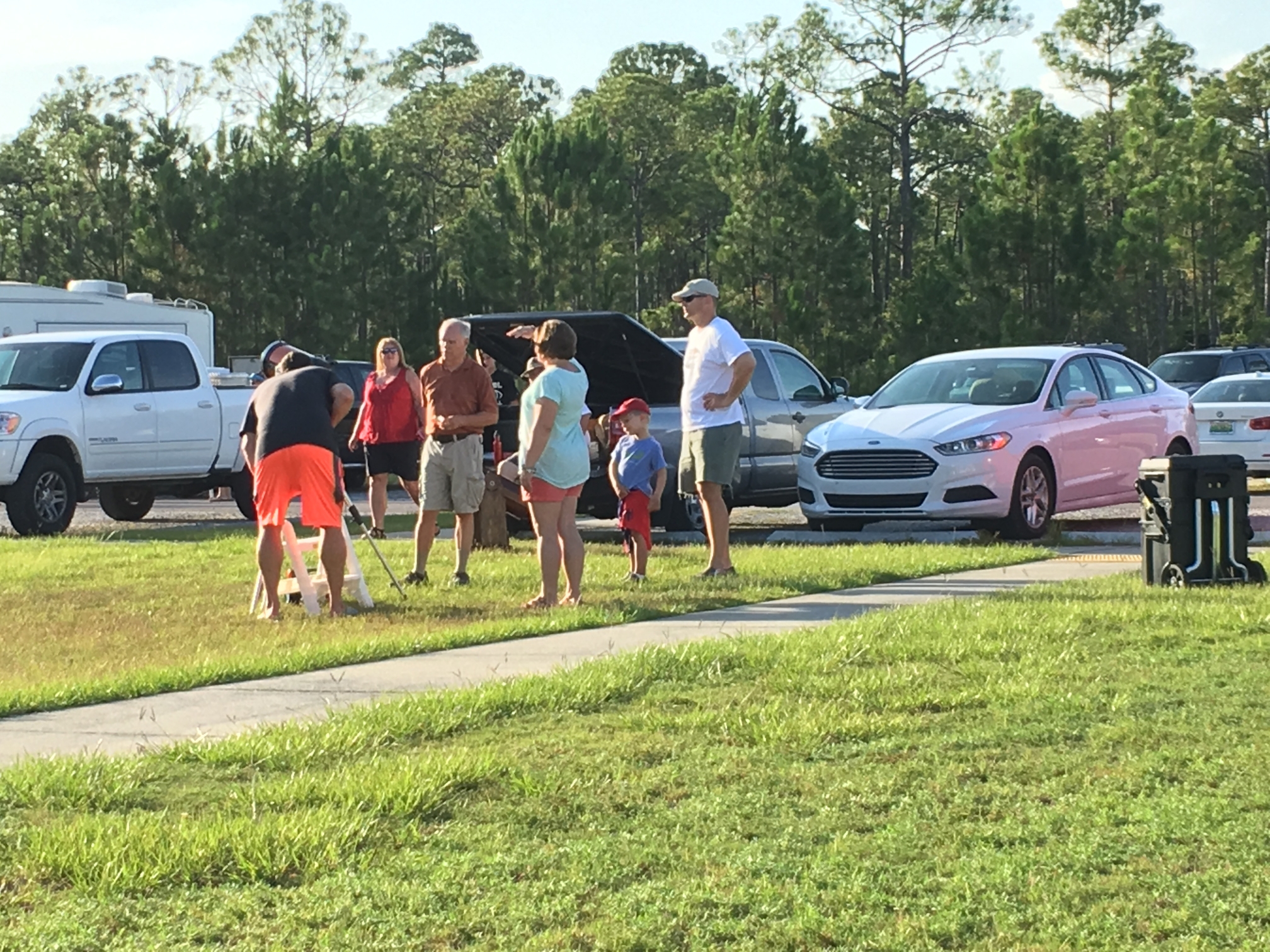
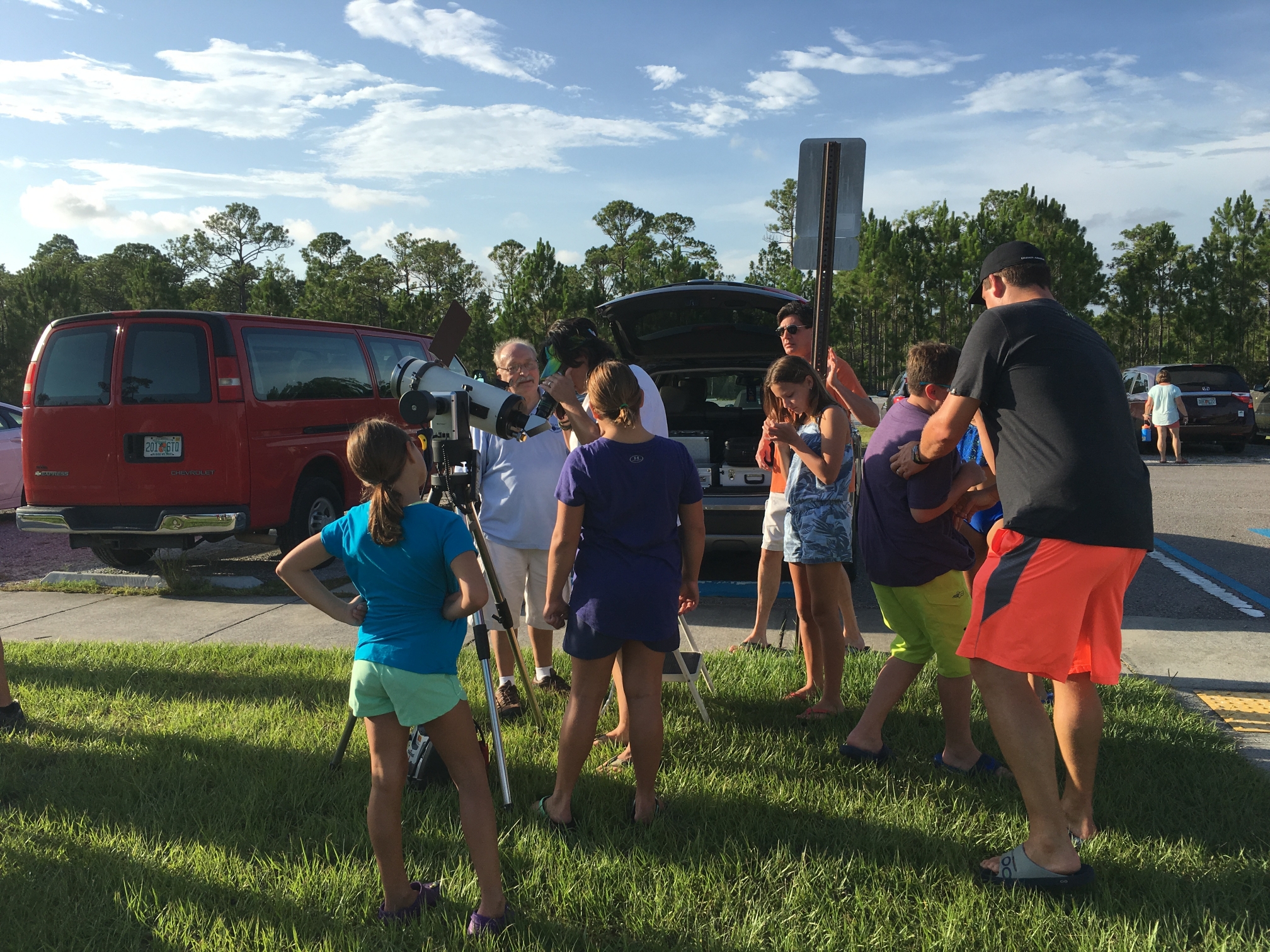
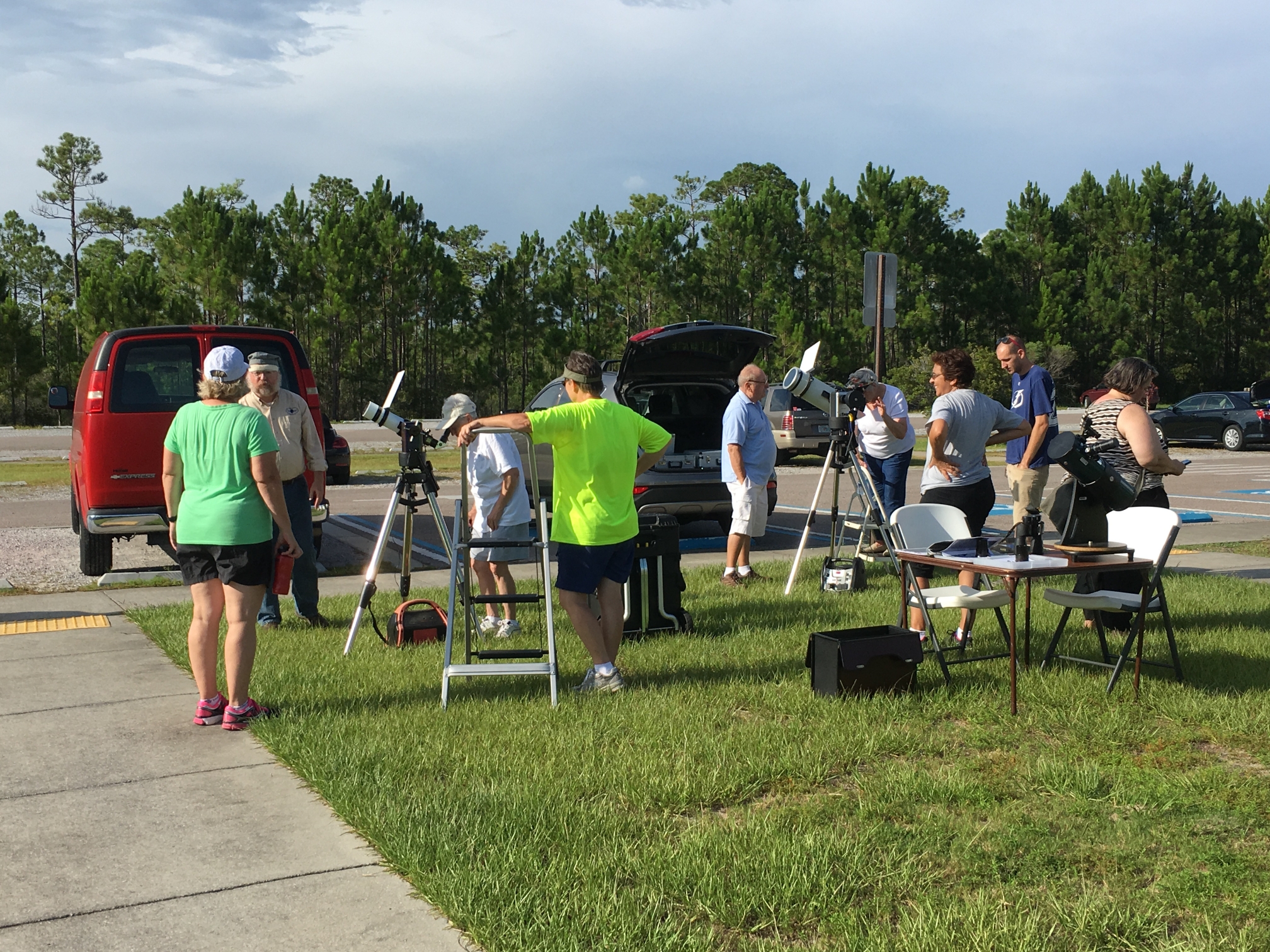
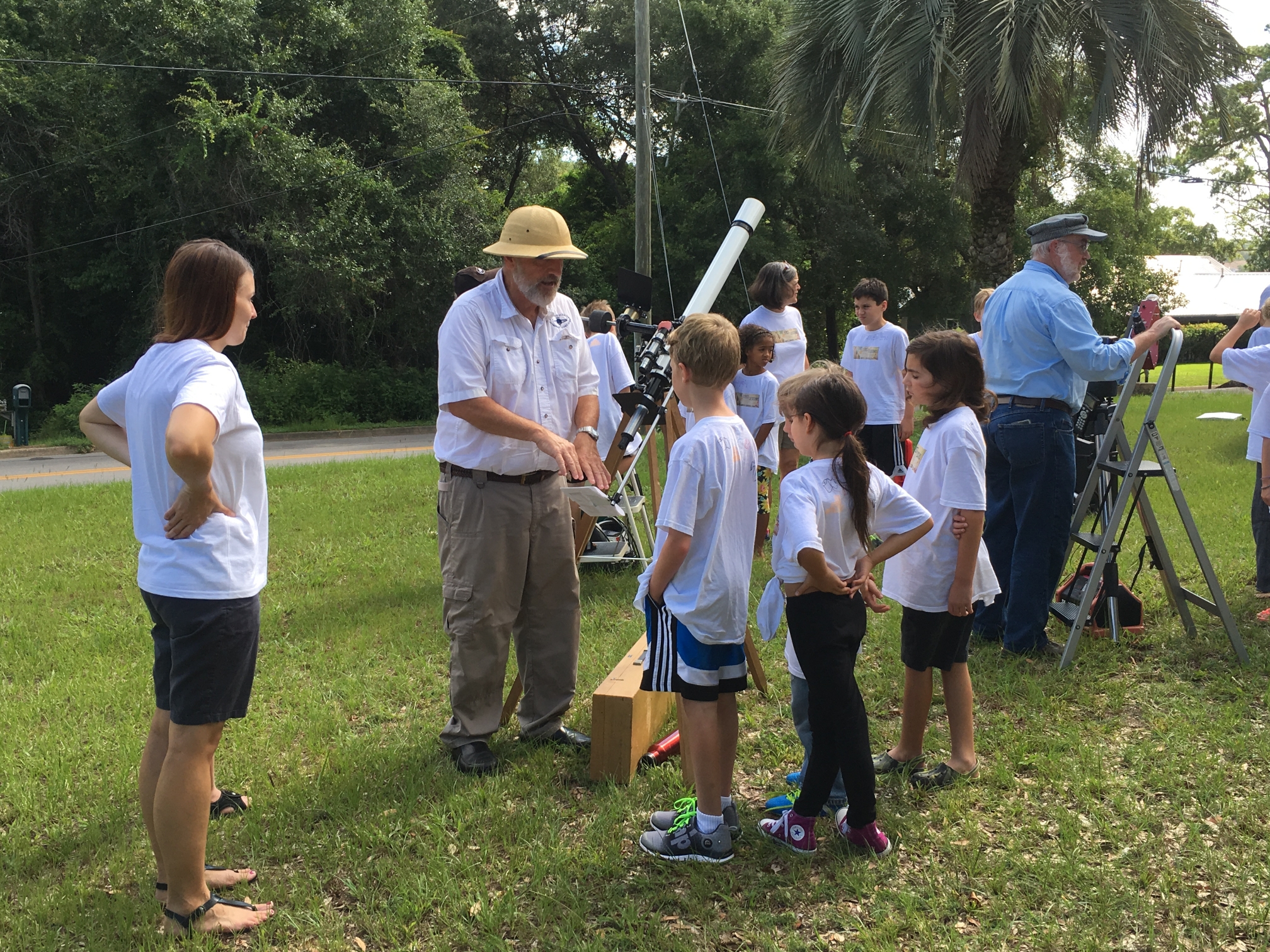
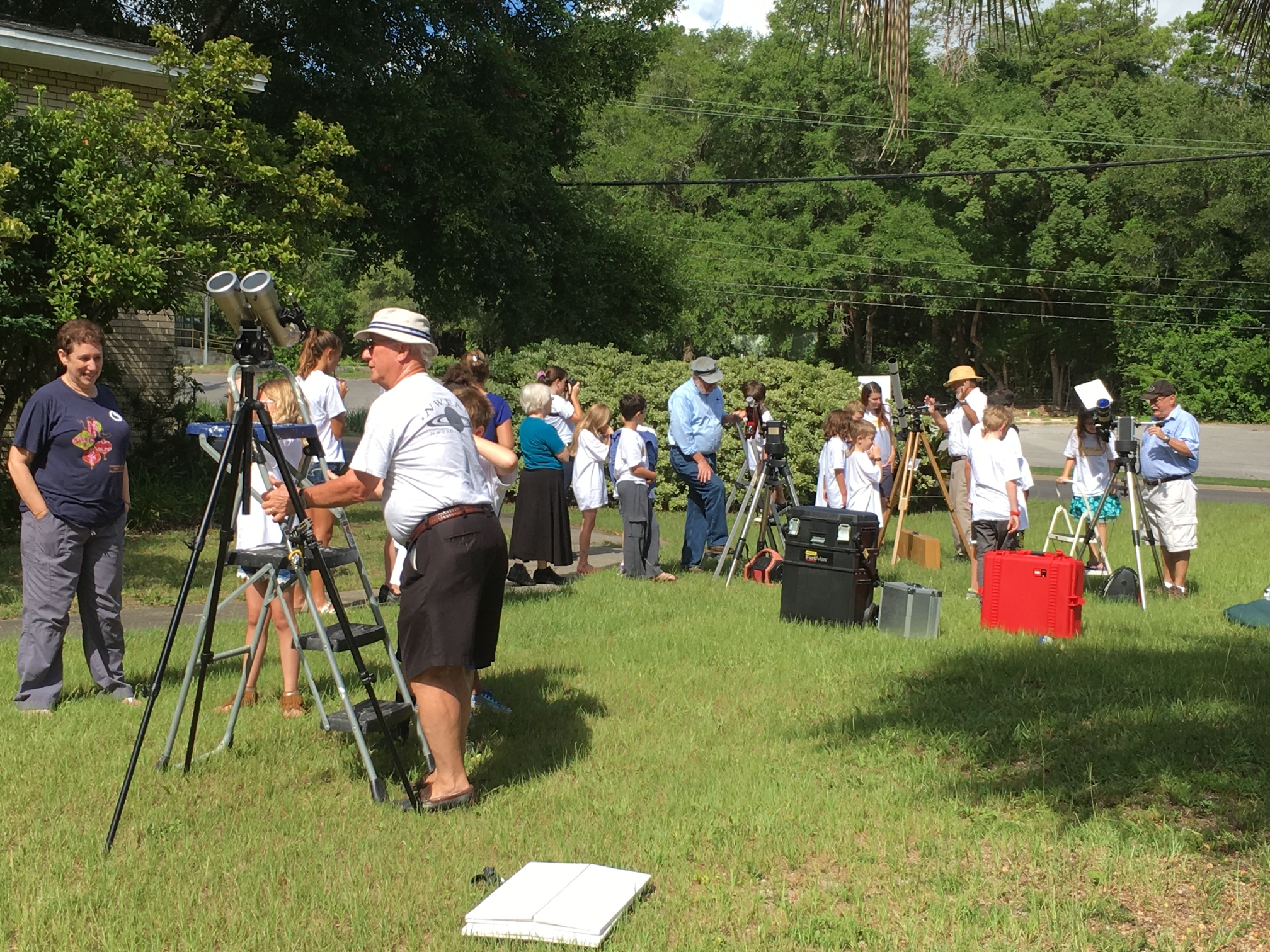
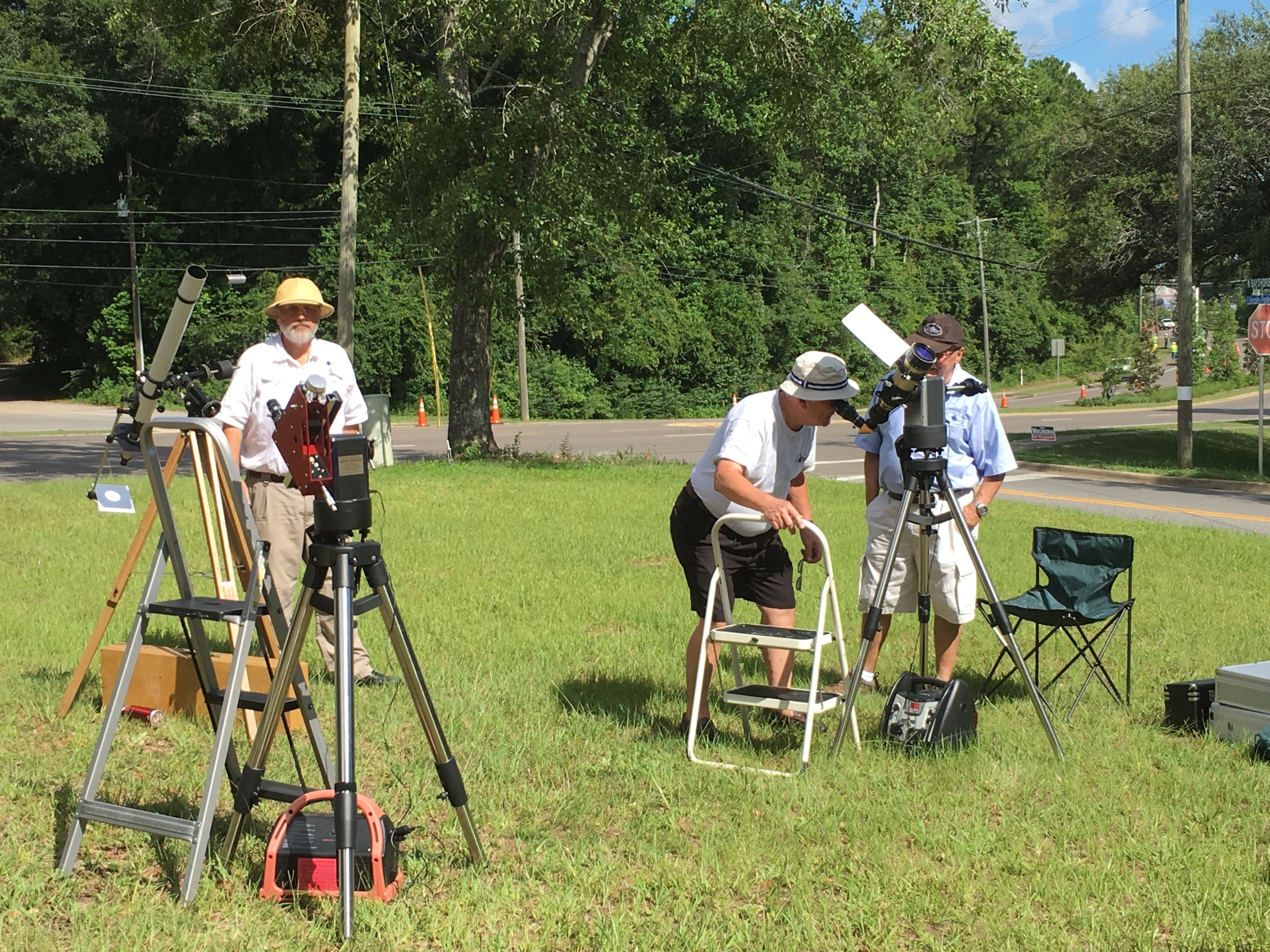
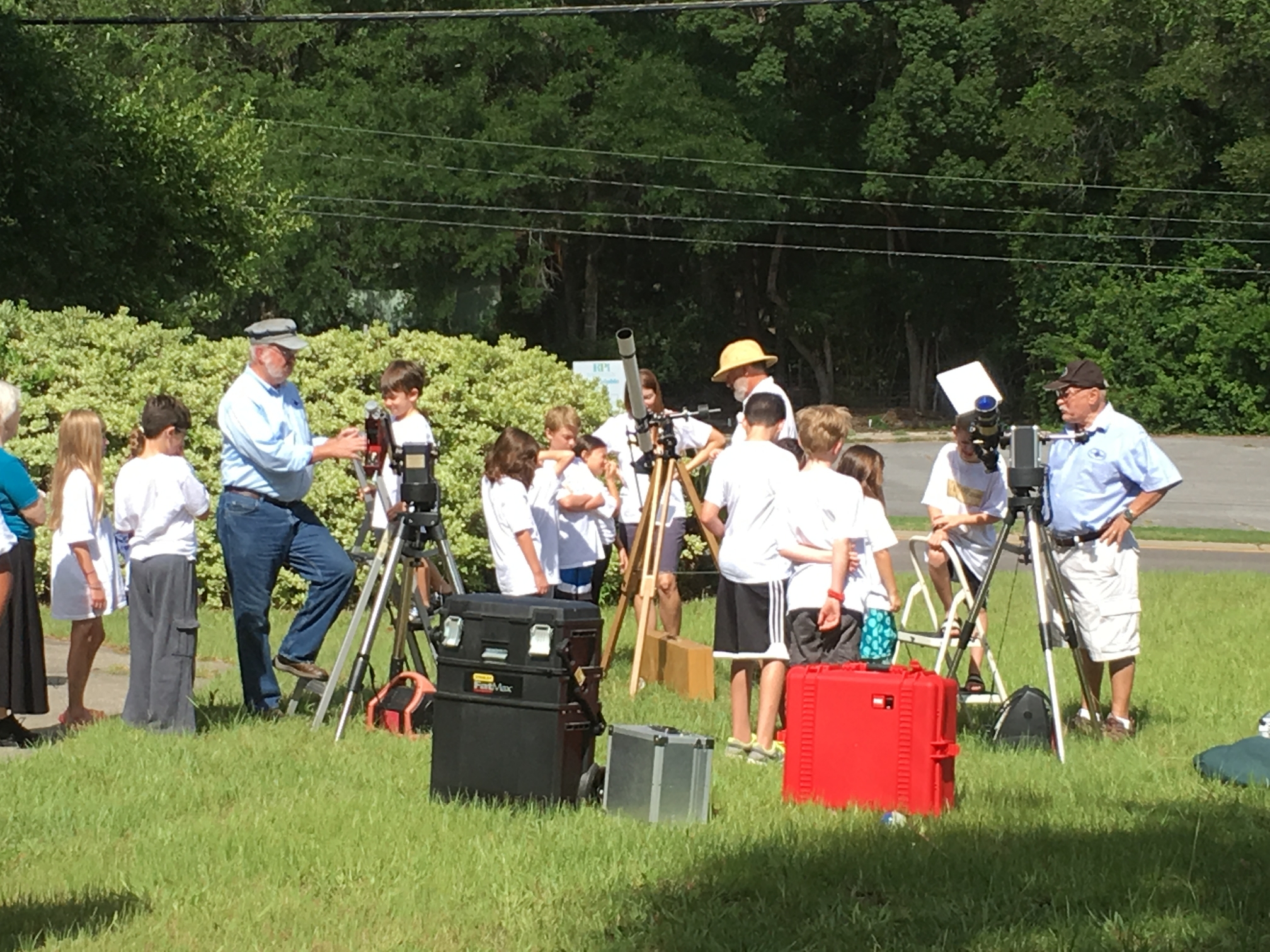
Once again the weather threatened but did no harm. Following our normal Henderson Beach schedule, we setup solar equipment about 3 hours prior to sunset. We had a few more early observers than usual. Ken Leone started off the solar viewing through his filtered 70mm binoculars. Dean Covey set up his white light filtered Celestron and Dennis Hausch set up his Coronado H-alpha scopes. Even though the sunspot count was very low and there was only one prominence, the observers were all pleased with their first telescopic view of the Sun. Tom Haugh set up his spectroscope which provided the observers with one additional view of the Sun.

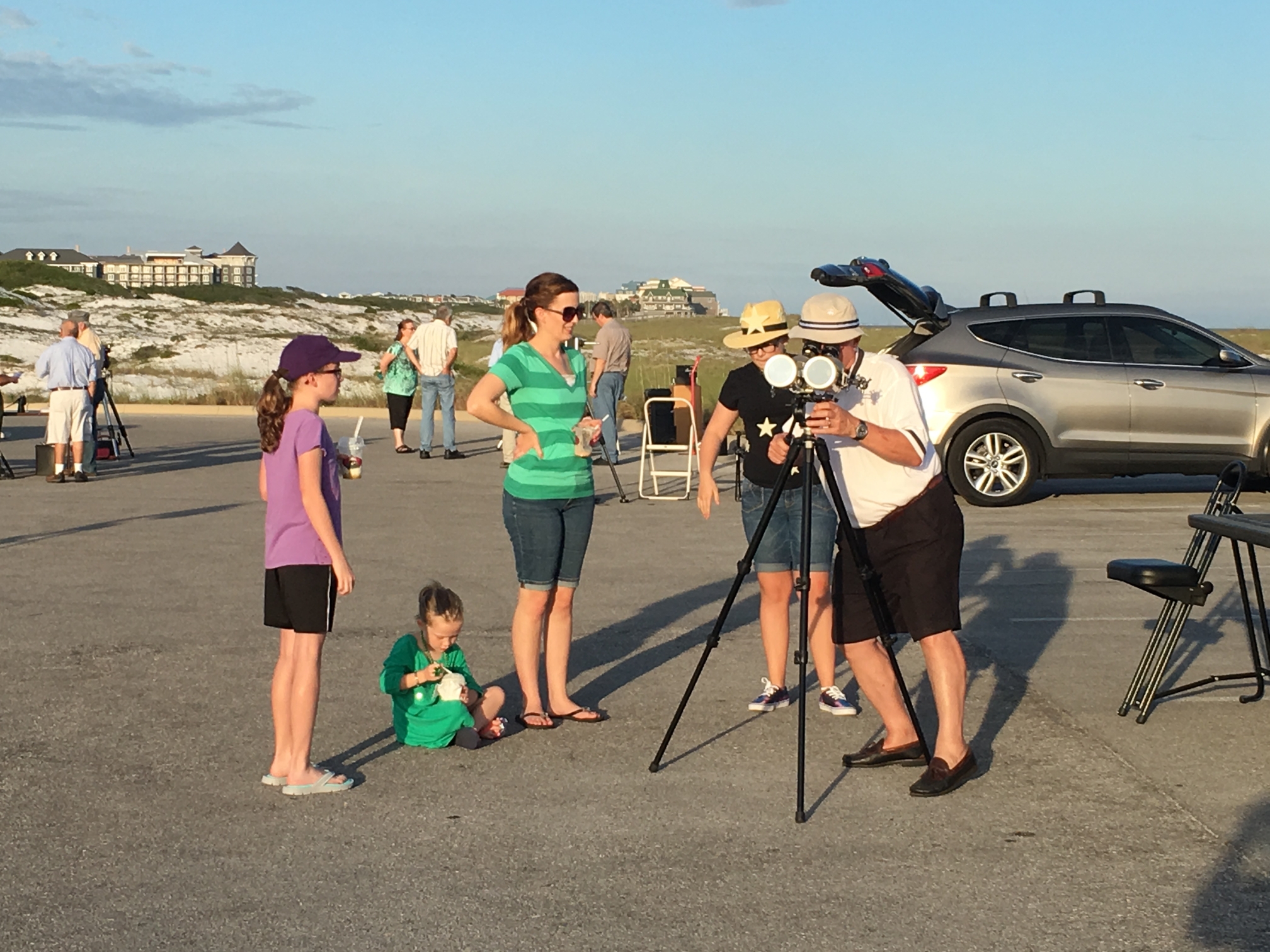
Ken re-centers the Sun in his binoculars.

Ken re-centers the Sun in his binoculars.

The line for Dennis' H-alpha scope.

The line for Dennis’ H-alpha scope.

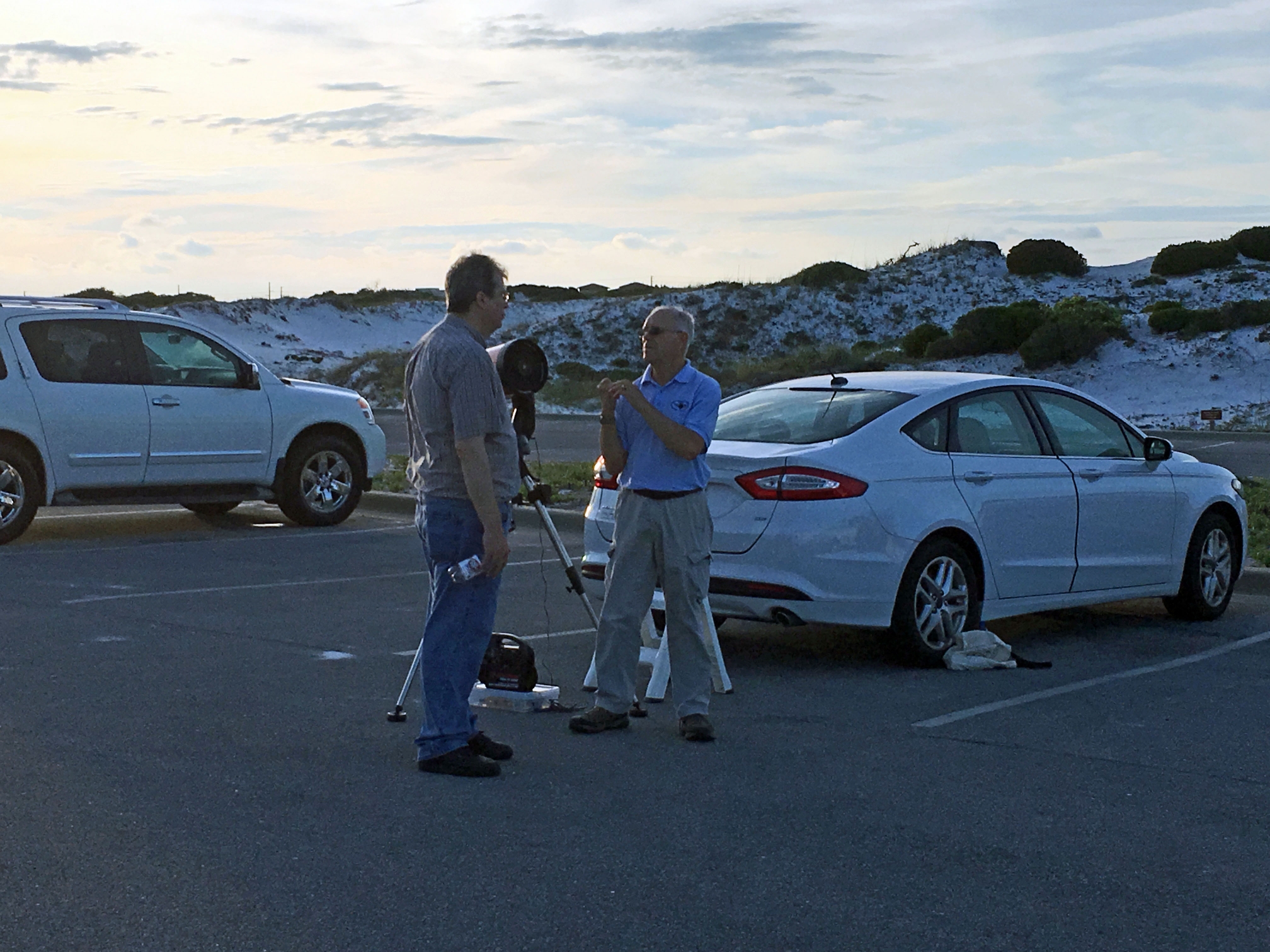
Dean and Scott discuss the coming evening's activities.

Dean and Scott discuss the coming evening’s activities.

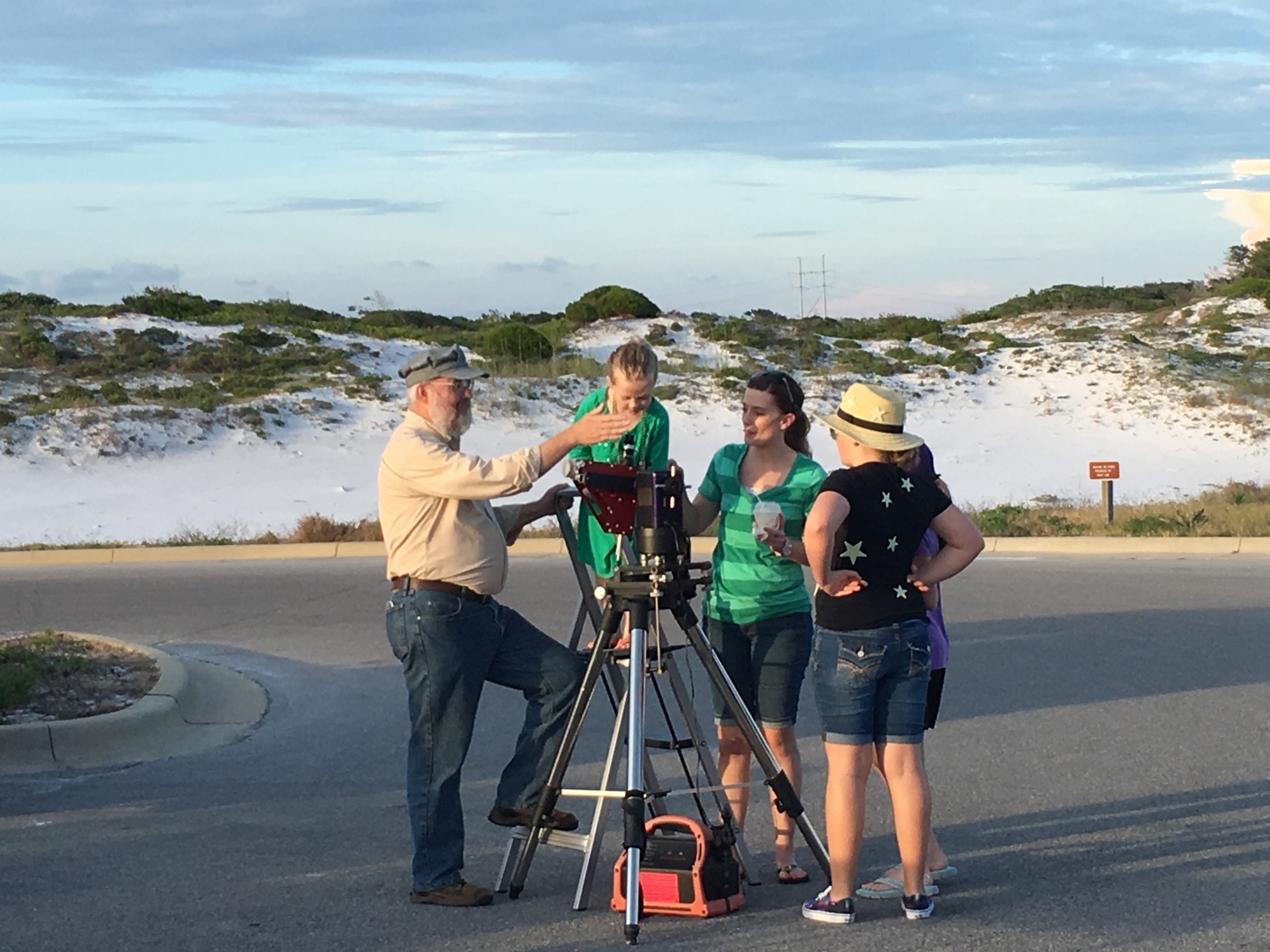
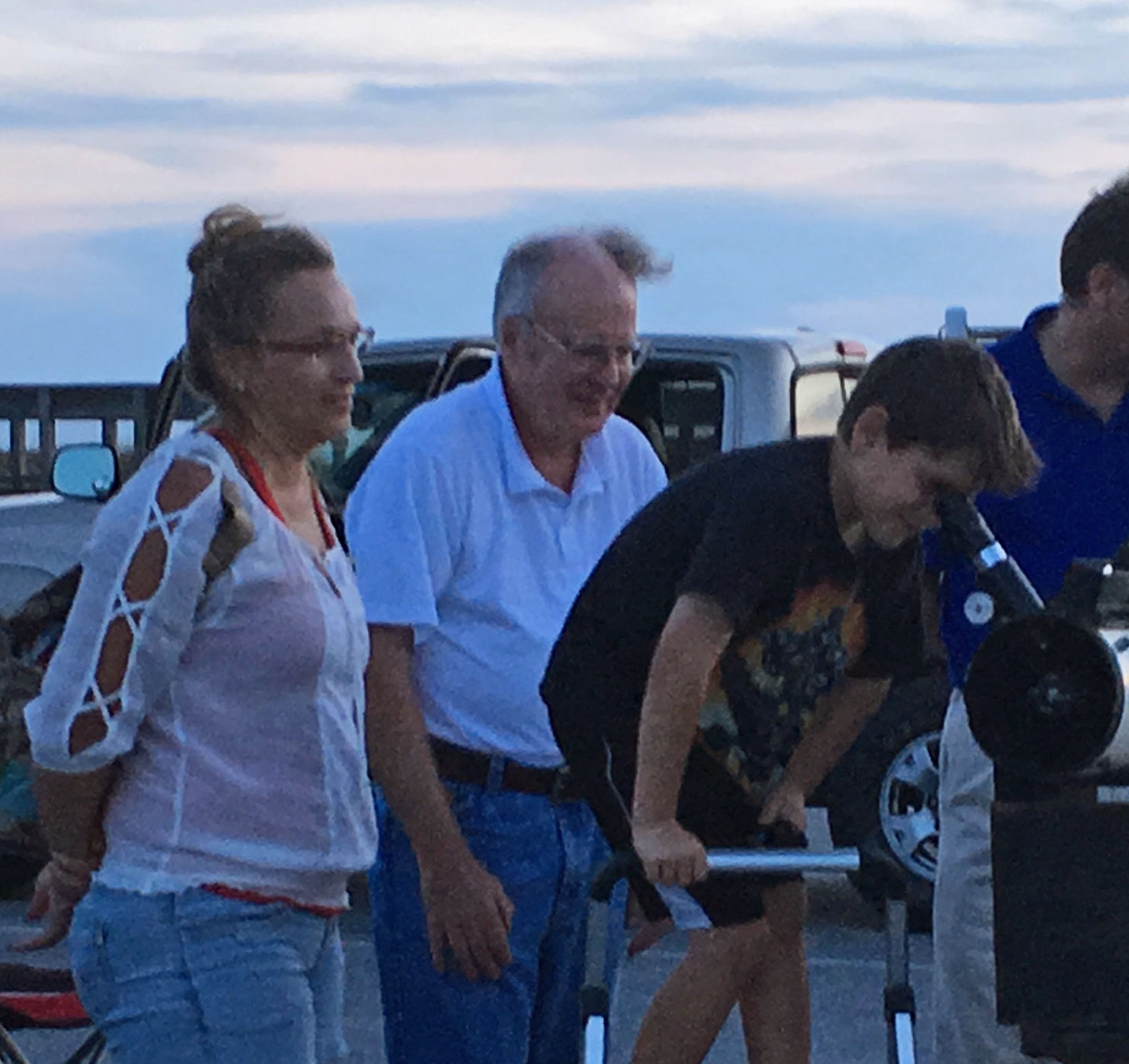
A young guest observer takes a look at the solar spectrum.

A young guest observer takes a look at the solar spectrum.

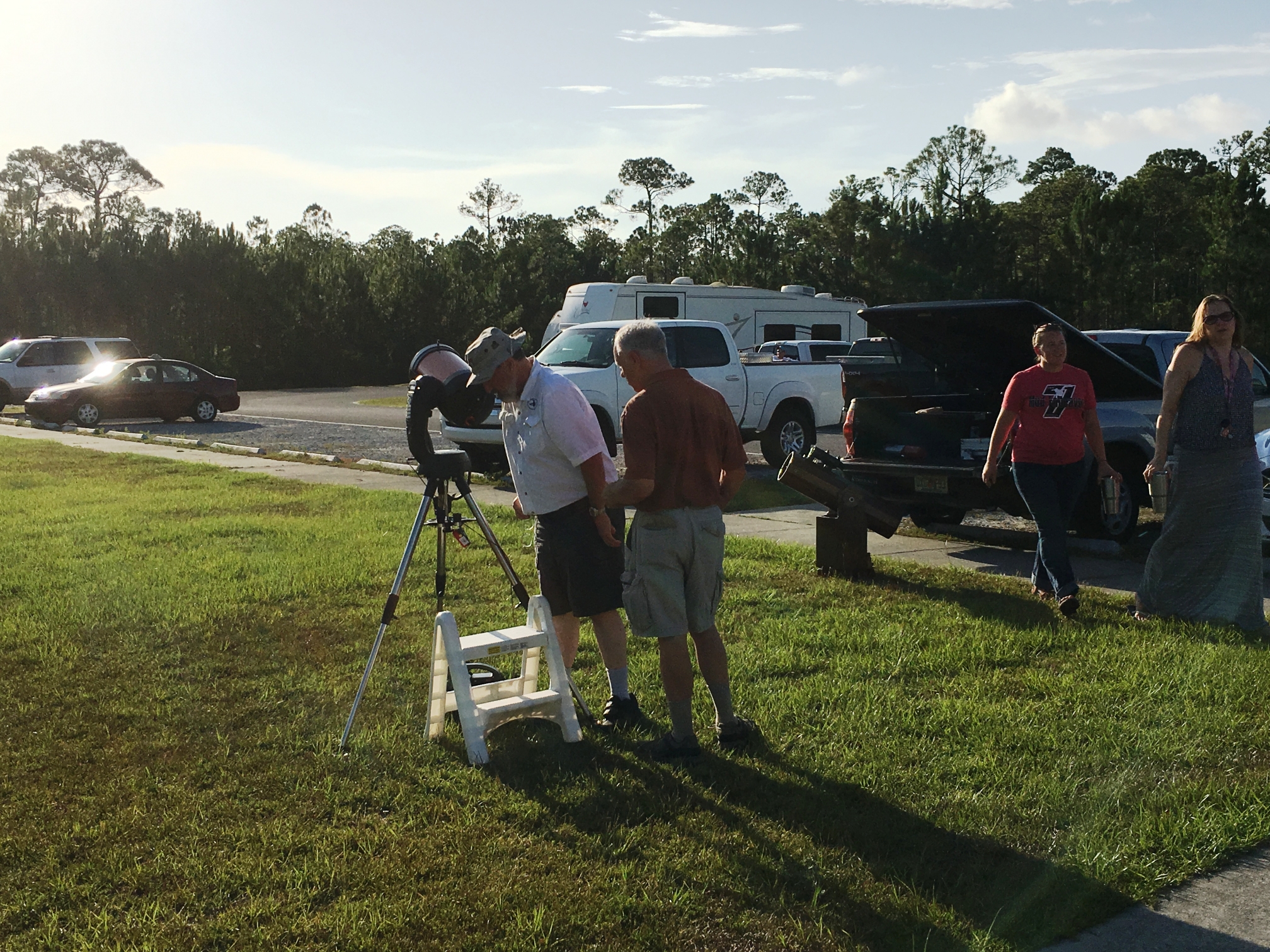
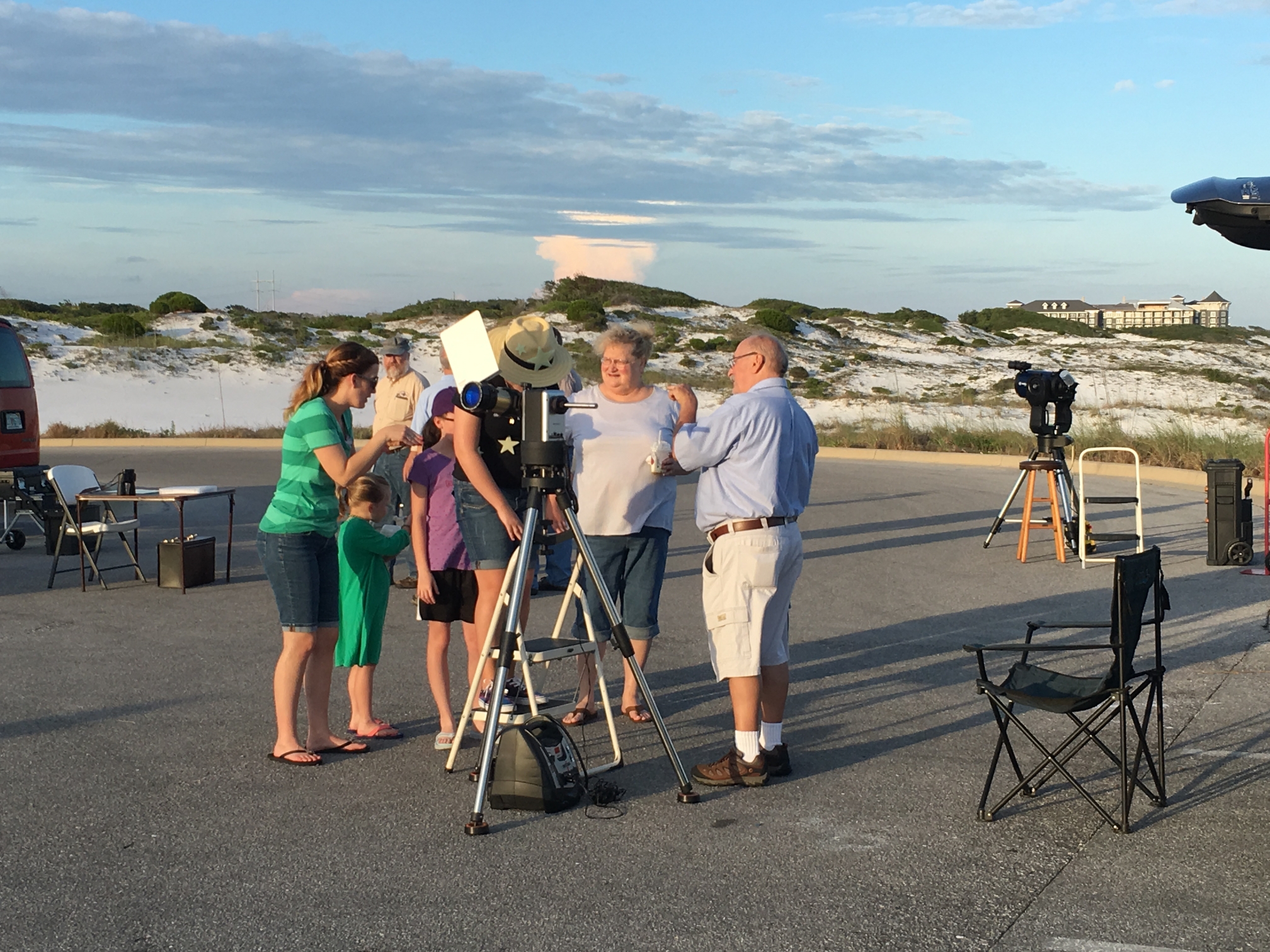
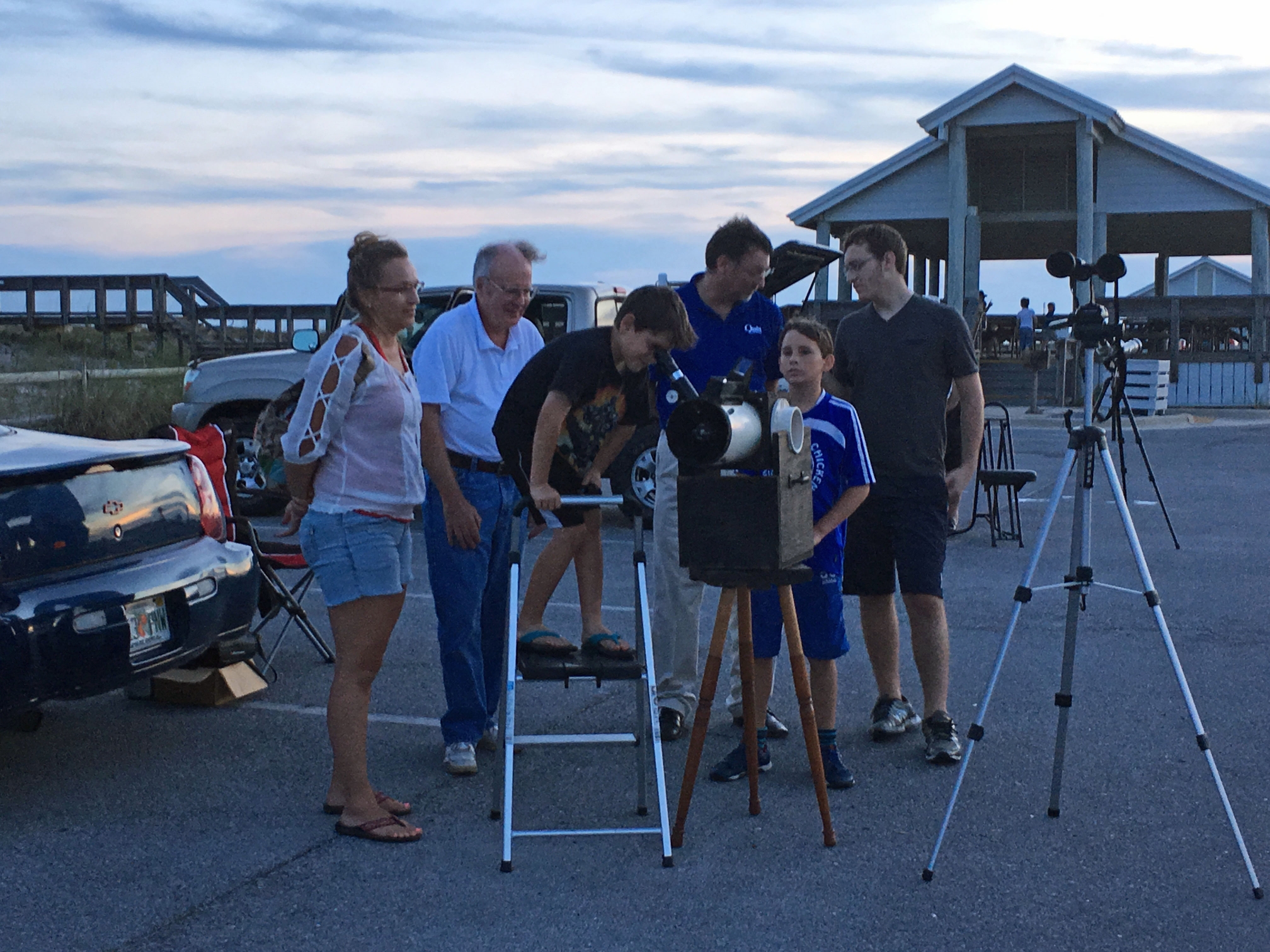
As our star started to set and the skies started to darken, we were joined by Frank Atchison, Chuck Lynch and Scott Morgan. Frank and Chuck each added a scope to the collection. Tom handed out star charts to the additional observers starting to assemble. Even though the sky was not yet dark, Jupiter was easily found and the lines started to form. In turn, Mars and Saturn were added to the list of targets as well as Arctutus, Alcor and Mizar, and the great Hercules cluster (M13) as well as several other celestial sights.

Checking out a terrestrial target in Chuck's telescope.

Checking out a terrestrial target in Chuck’s telescope.

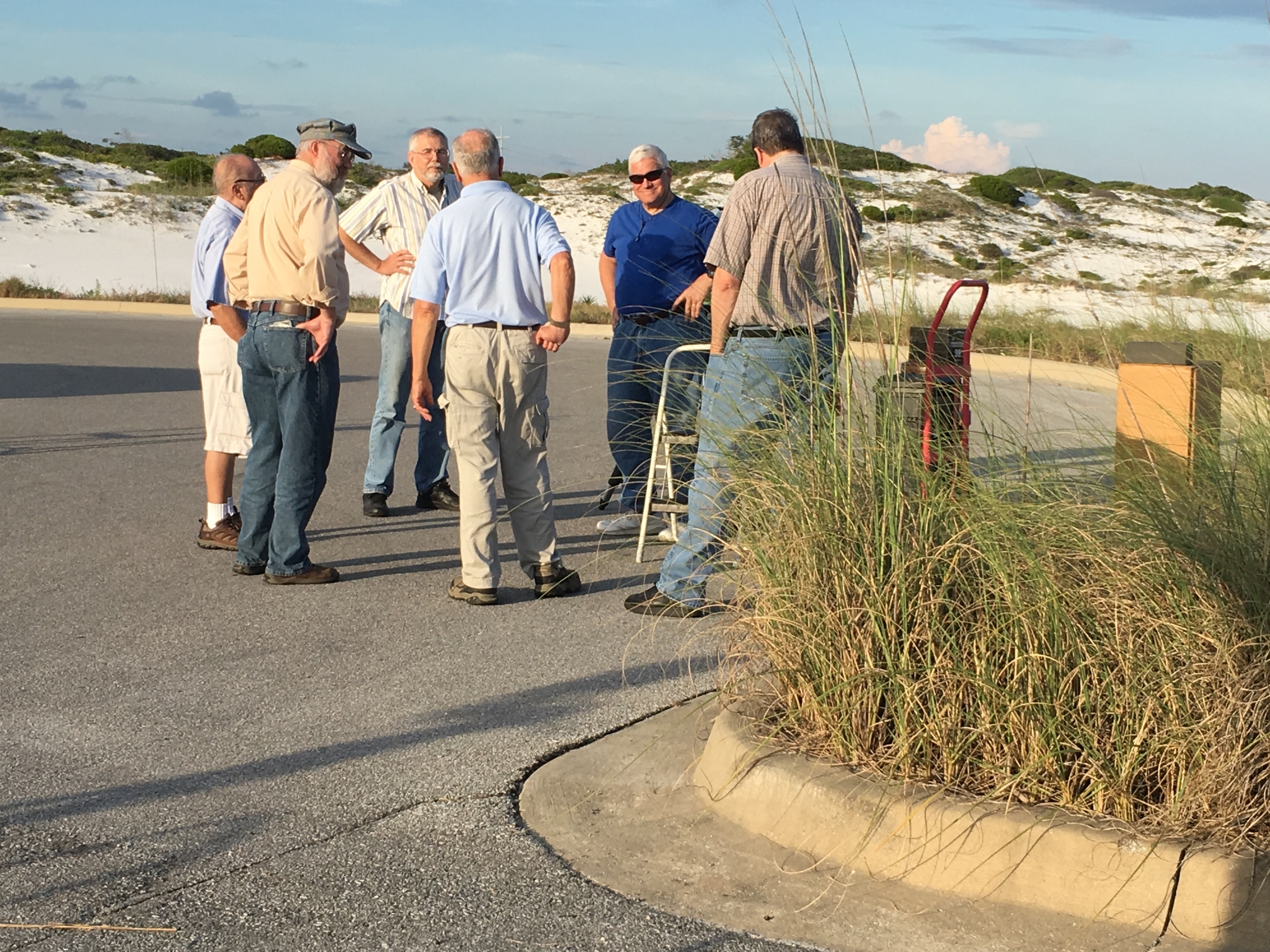
Club members waiting for the sky to darken.

Club members waiting for the sky to darken.

As the crowd started to thin, new club member Katie Milner showed up. This was her first star gaze with us. Unbeknownst to us, she had set up her scope at the westernmost parking lot of Henderson Beach and held her own star gaze. Luckily, word got to her and she made her way east and we were able to join forces and finish the star gaze. Park rangers reported attendance to be 80 to 90. This is a little low for a Henderson Beach event, but we’re pretty sure the threatening weather had something to do with it.

UPDATE:
 
This proved to be Chuck Lynch’s last sky view. On the 5th of July Chuck suddenly and unexpectedly passed away.
 
Chuck Lynch
Chuck was one of our most steadfast supporters. Even before he had a telescope he was at our events helping out wherever he could. In addition to our public star gazes, Chuck adopted the Fort Walton Beach library as our library telescope program representative and he supported the Emerald Coast Science Center’s planetarium nights.

Chuck will be missed.

 Posted by at 8:37 pm
Jun 052016
 

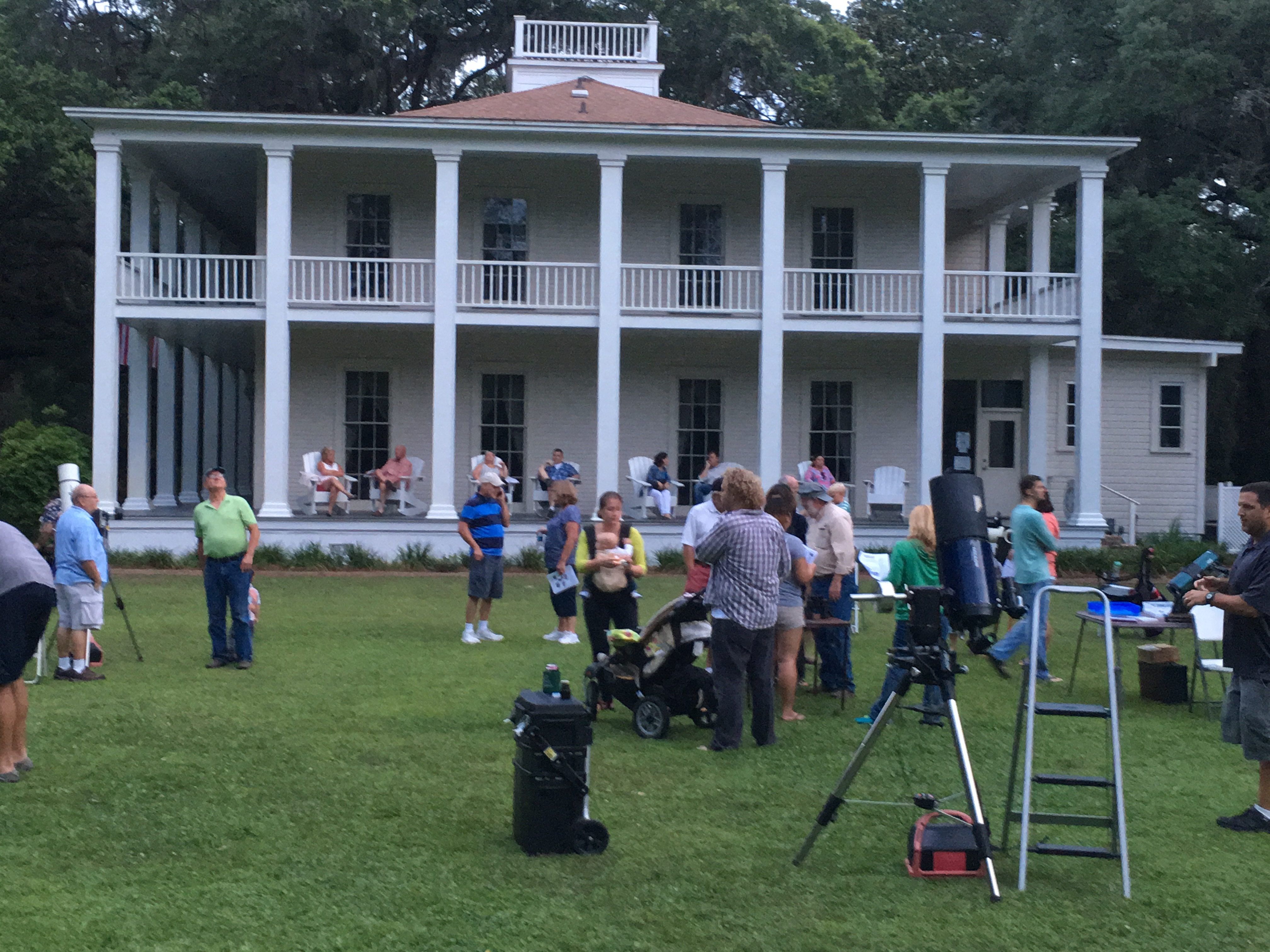
Although it was clear when the go/no go weather decision was made and it was mostly clear when we started setting up at Eden Gardens State Park it did not stay that way long. It did stay clear enough long enough for a couple of scopes to find Jupiter in full daylight. Several of the early guest observers where treated to the view although the sky was too bright to see any of the Galilean moons.
 
IMG_1033
 
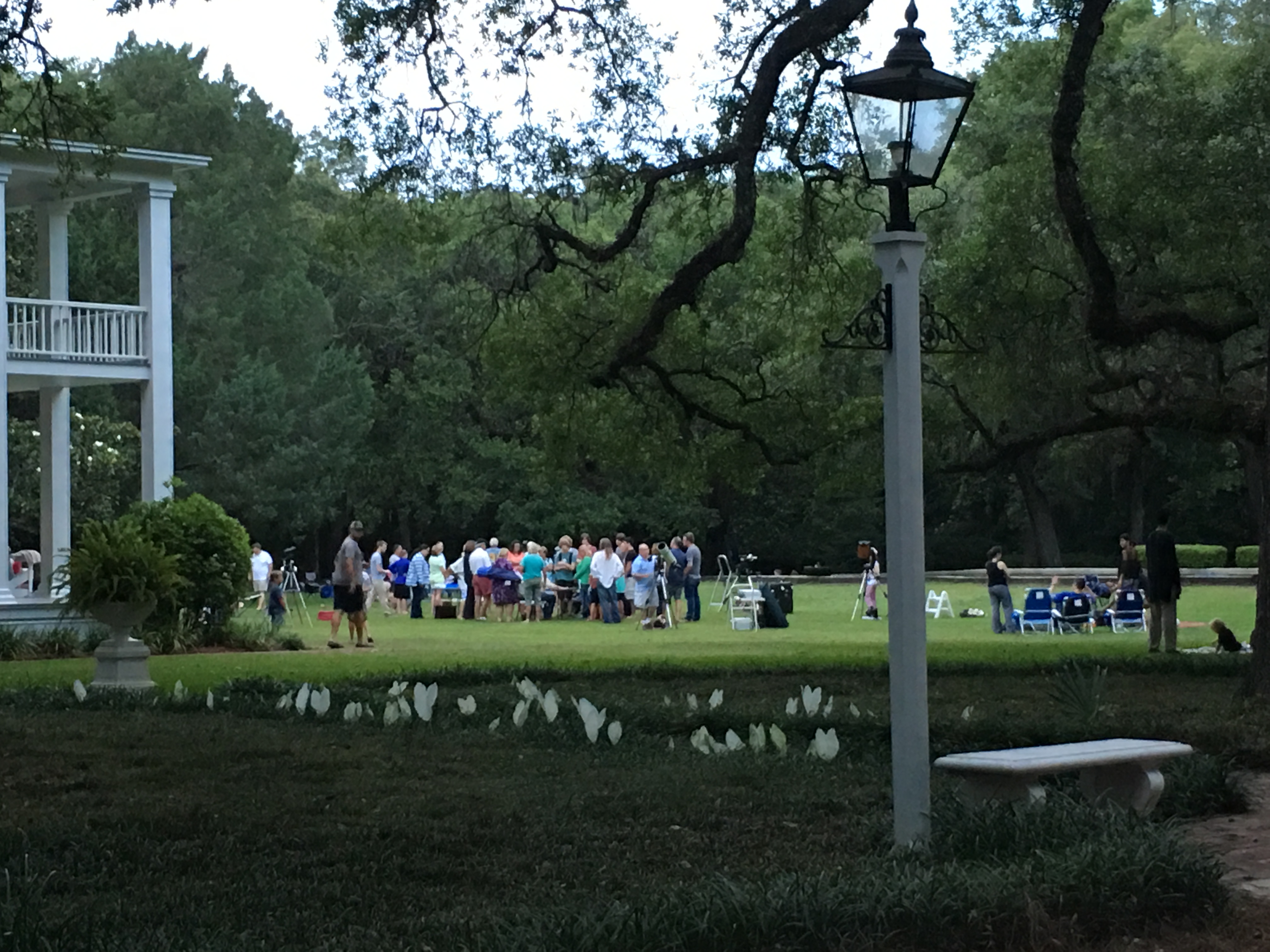
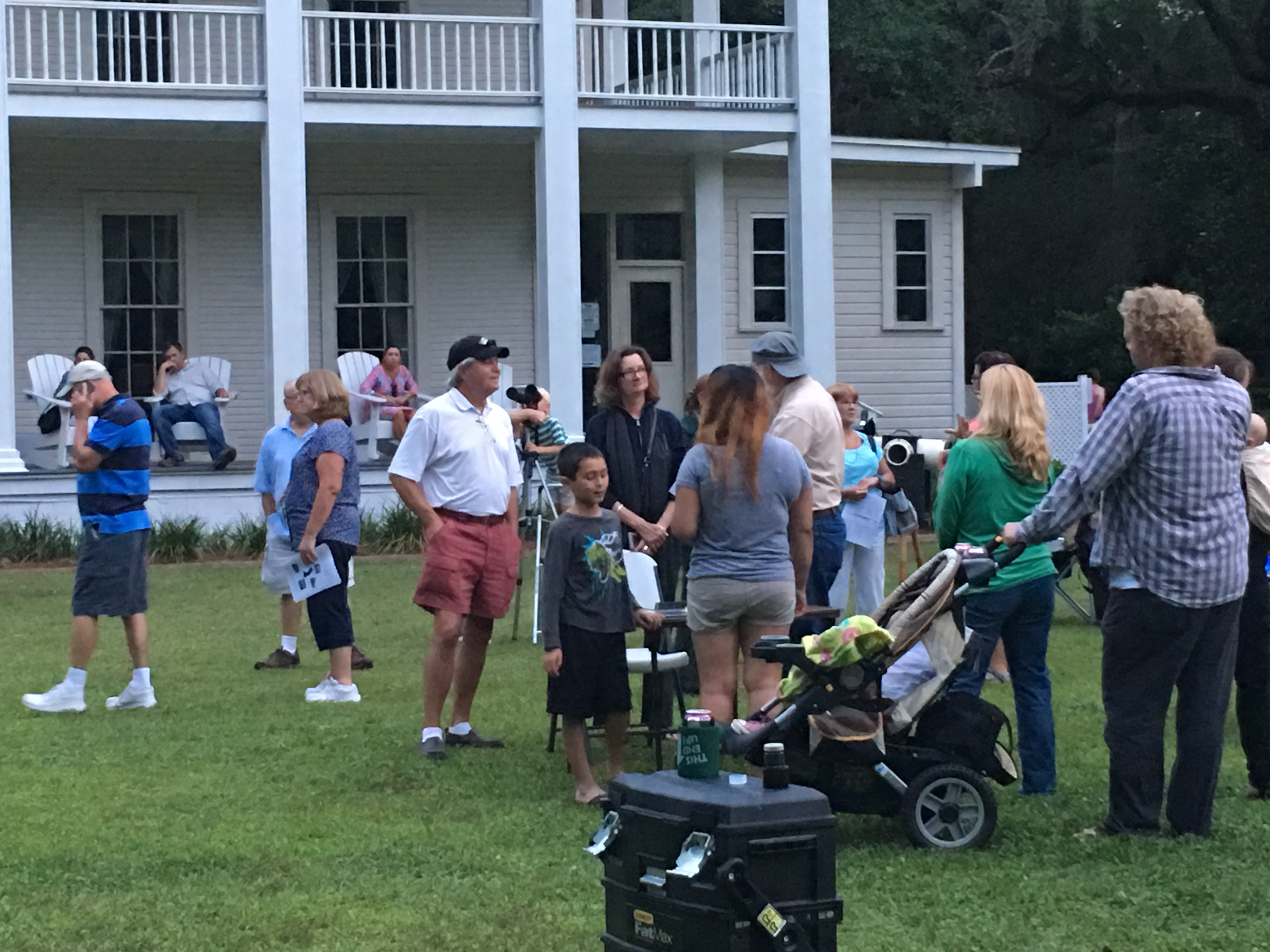
The clouds continued to gather and ultimately filled in obscuring Jupiter. But the clouds did little to deter the enthusiasm of the gathering crowd. The park ranger said she lost count of the guests at 180.

IMG_1040 IMG_1038

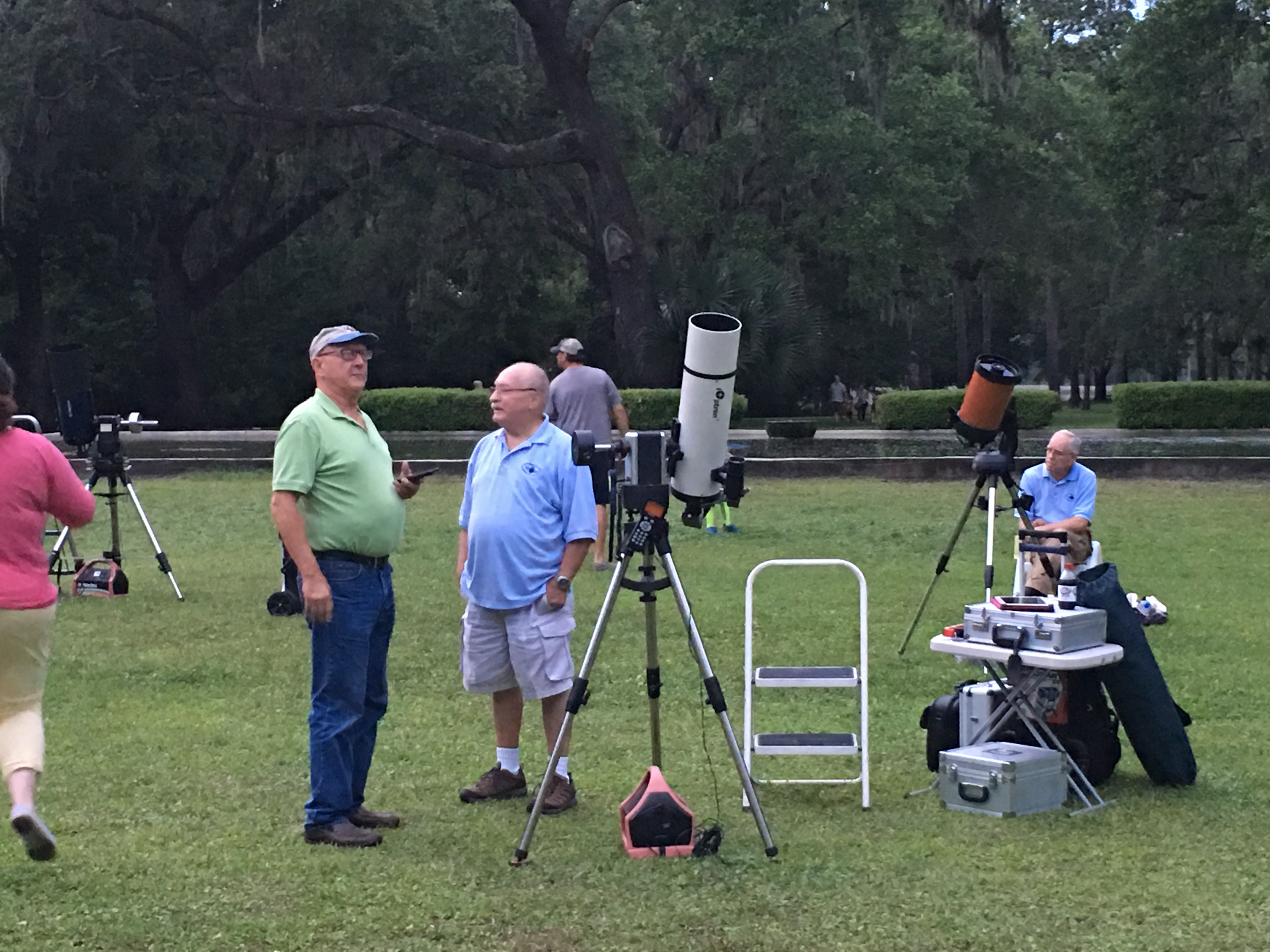
Club members Frank Atchison, Dean Covey, Tom Haugh, Dennis Hausch and Chuck Lynch all brought scopes and were joined by new club member Carol King. Two of our guests also brought telescopes. Each telescope had an eager group of people asking questions and examining the equipment. The question and answer period continued for quite a while until someone noticed the clouds had broken and Jupiter was once again in view.

IMG_1045 IMG_1043

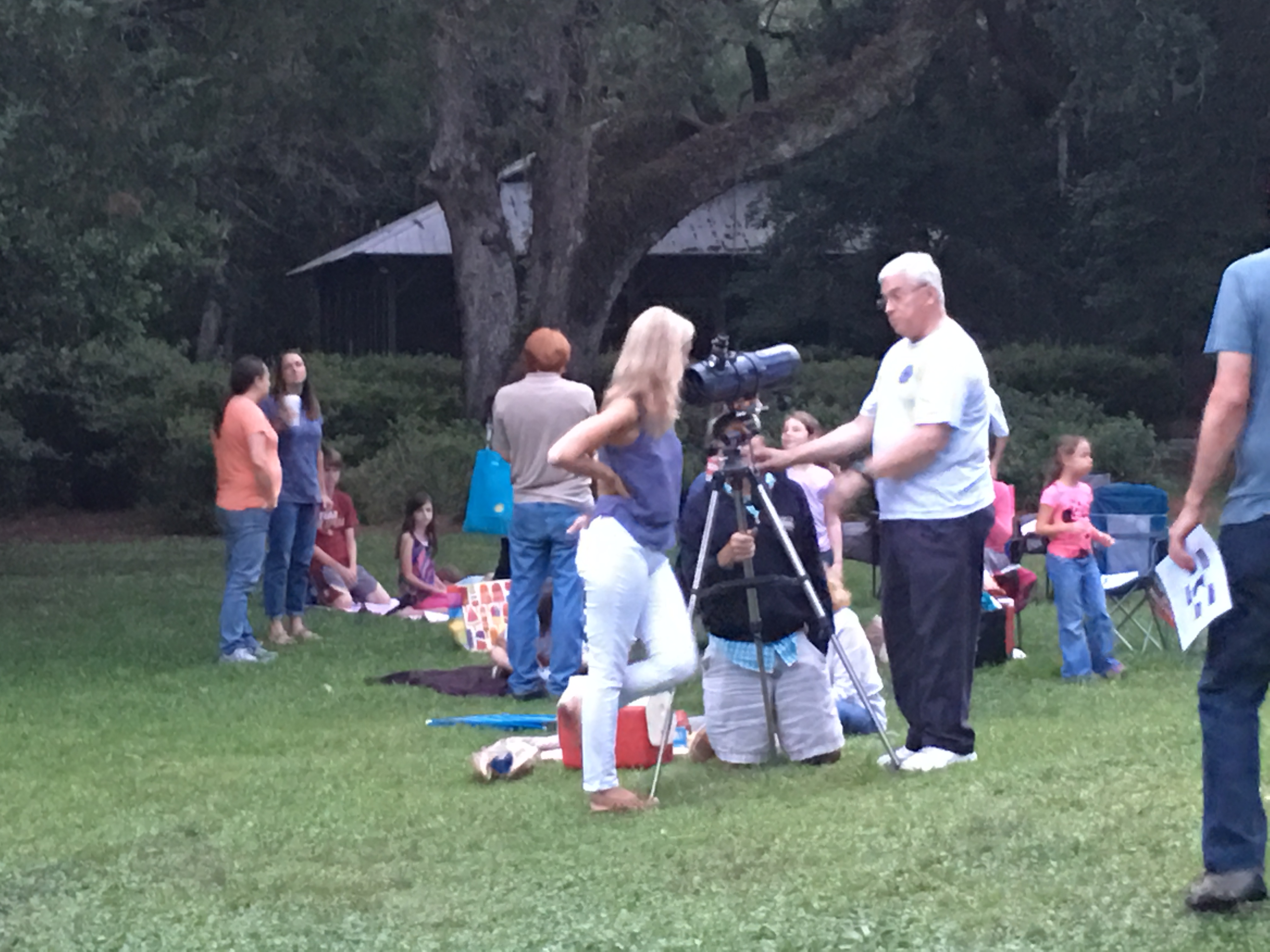
At that time all the scopes were brought to bear on the planet and by now the skies were dark enough for all 4 of Jupiter’s large moons to be visible. Now each scope had a line of observers and the guest scopes had a club member helping find and view the largest planet. Although the skies never cleared enough to view any other targets Jupiter satisfied all our requirements for a great sky view. We must thank the staff of Eden Gardens State Park for the invite and we look forward to our next visit in October. We also thank Marietta Hausch for her photography.

 Posted by at 10:29 pm
May 172016
 

The last Mercurial transit visible on the gulf coast was in 2006. The next will be visible on November 11, 2019 and then not again for 30 years. Since we don’t know what the weather will be like in 2019 several members of the NWFAA braved a gloomy forecast, early morning clouds and set up their telescopes by 6:00 AM to make sure, if we had the chance, we didn’t miss this one. Frank Atchison, Dean Covey, Tom Haugh, Dennis Hausch, Chuck Lynch and Ken Sharpe assembled at Florida Park in Valparaiso and waited for the Sun to rise and the clouds to part.

Beautiful sunrise as the transit begins.

Beautiful sunrise as the transit begins.

Club members indicating their displeasure with the beautiful sunrise as the transit begins.

Club members indicating their displeasure with the beautiful sunrise as the transit begins.

Except for breaks in the clouds that lasted mere seconds, we waited for awhile.

DSCN1638 3x3 Sun_Clouds 2x2

But our patience paid off and the later it got the bigger the holes were and towards mid-transit we had more clear sky than clouds. By mid-day club member Robert Sutphen made the drive from Crestview and joined the group. Overall, we had 13 additional guest observers view the transit. I think the questionable weather prevented others from viewing the event.

DSC02934 3x3

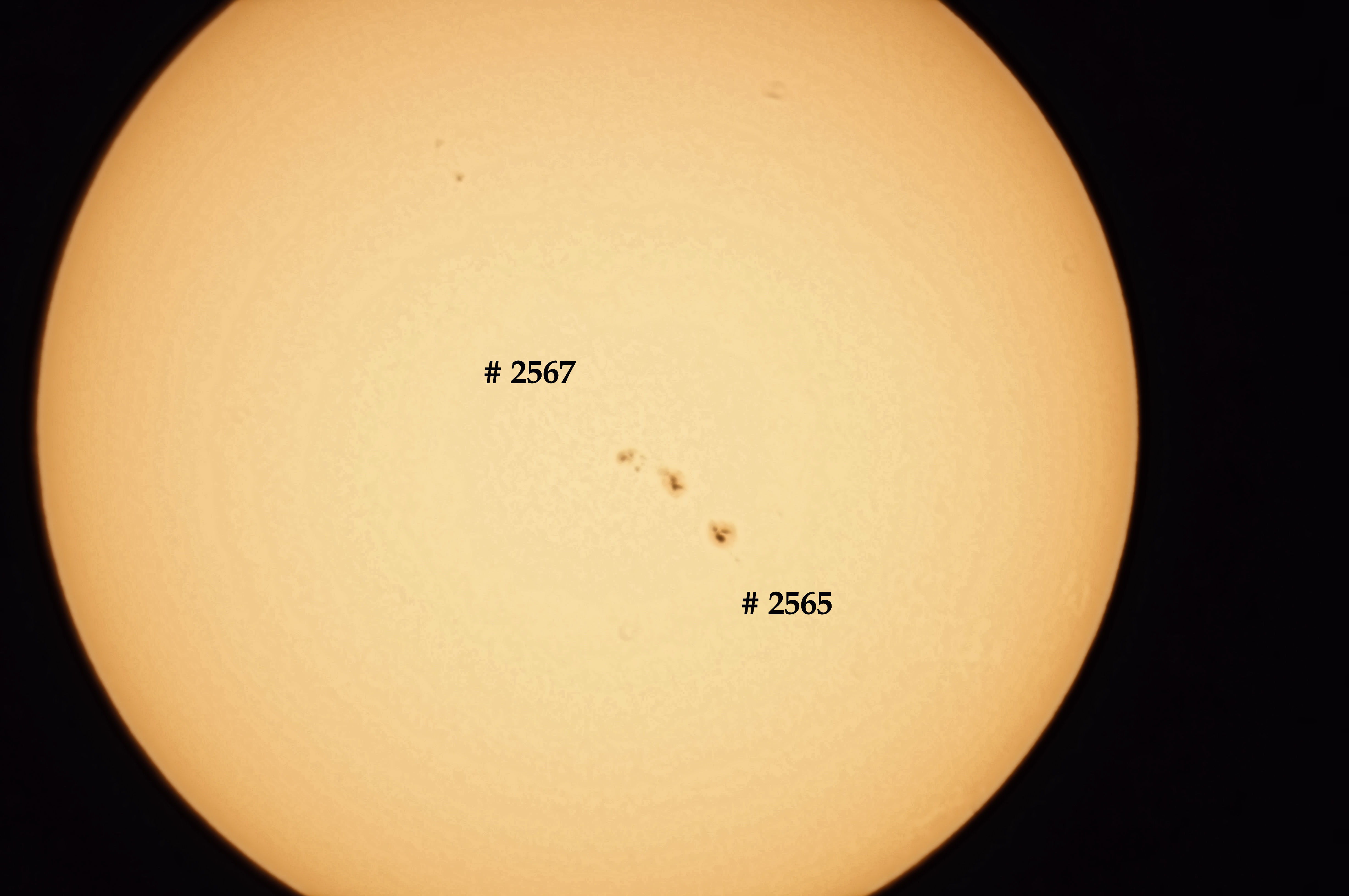
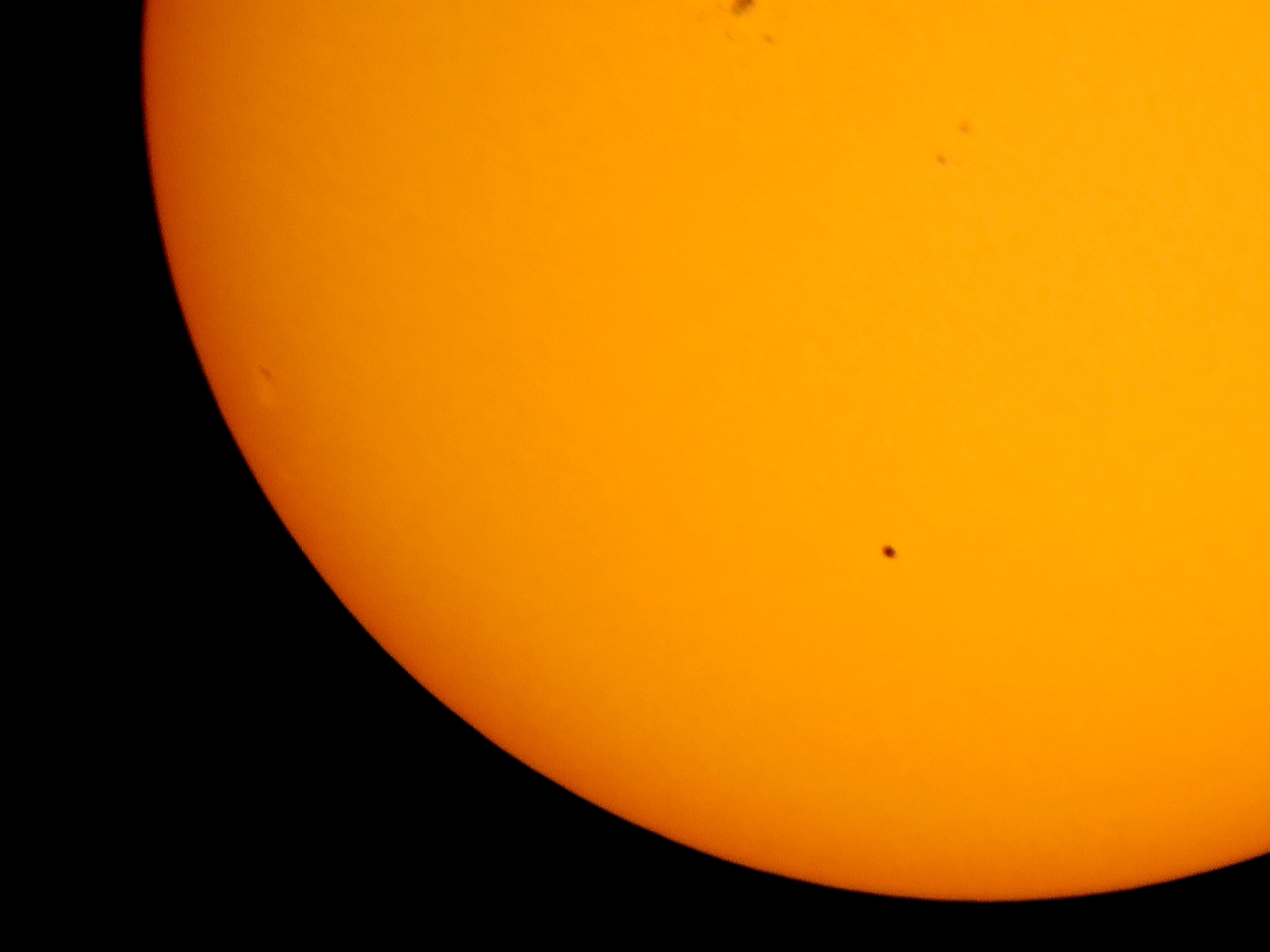
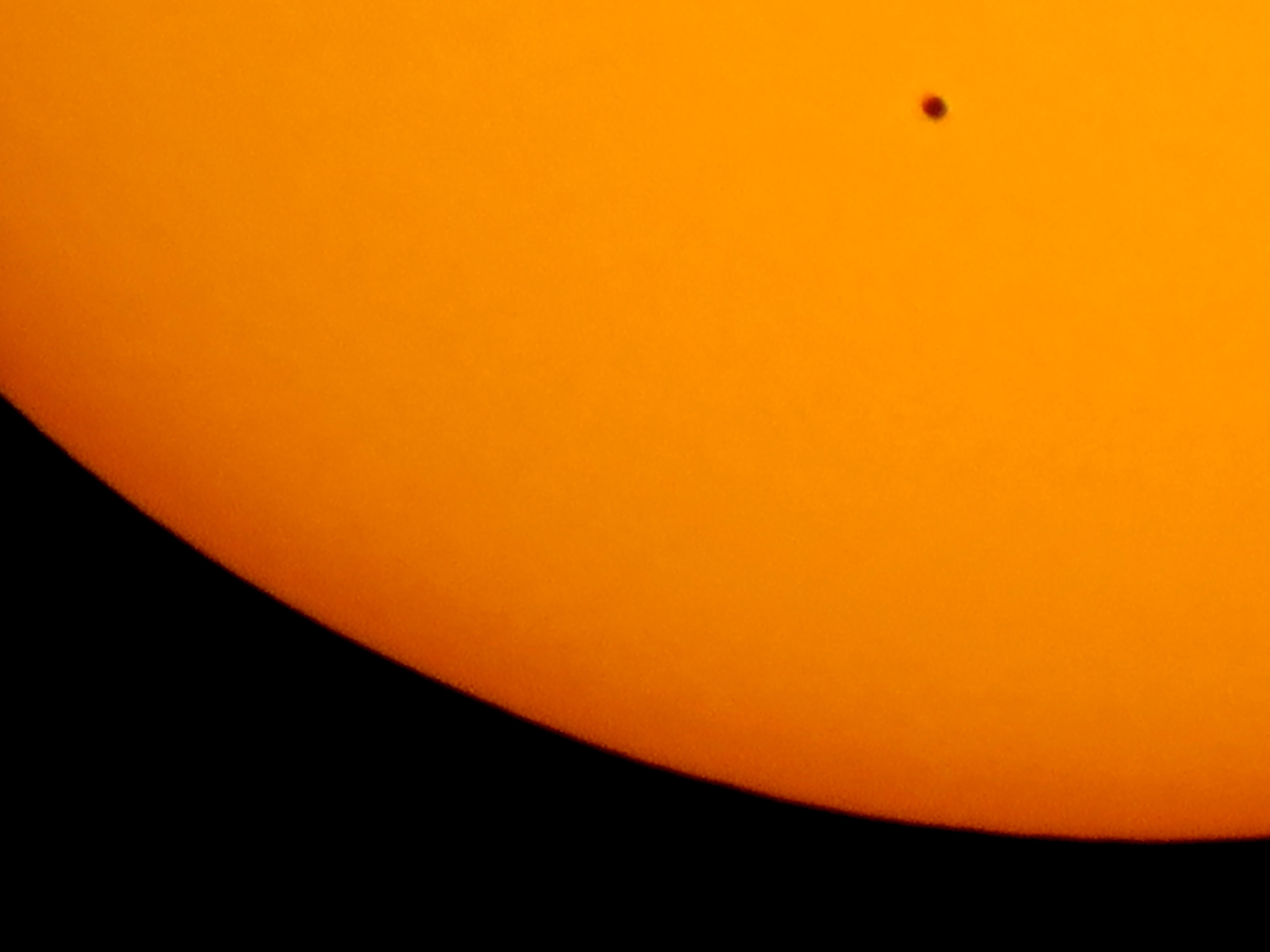
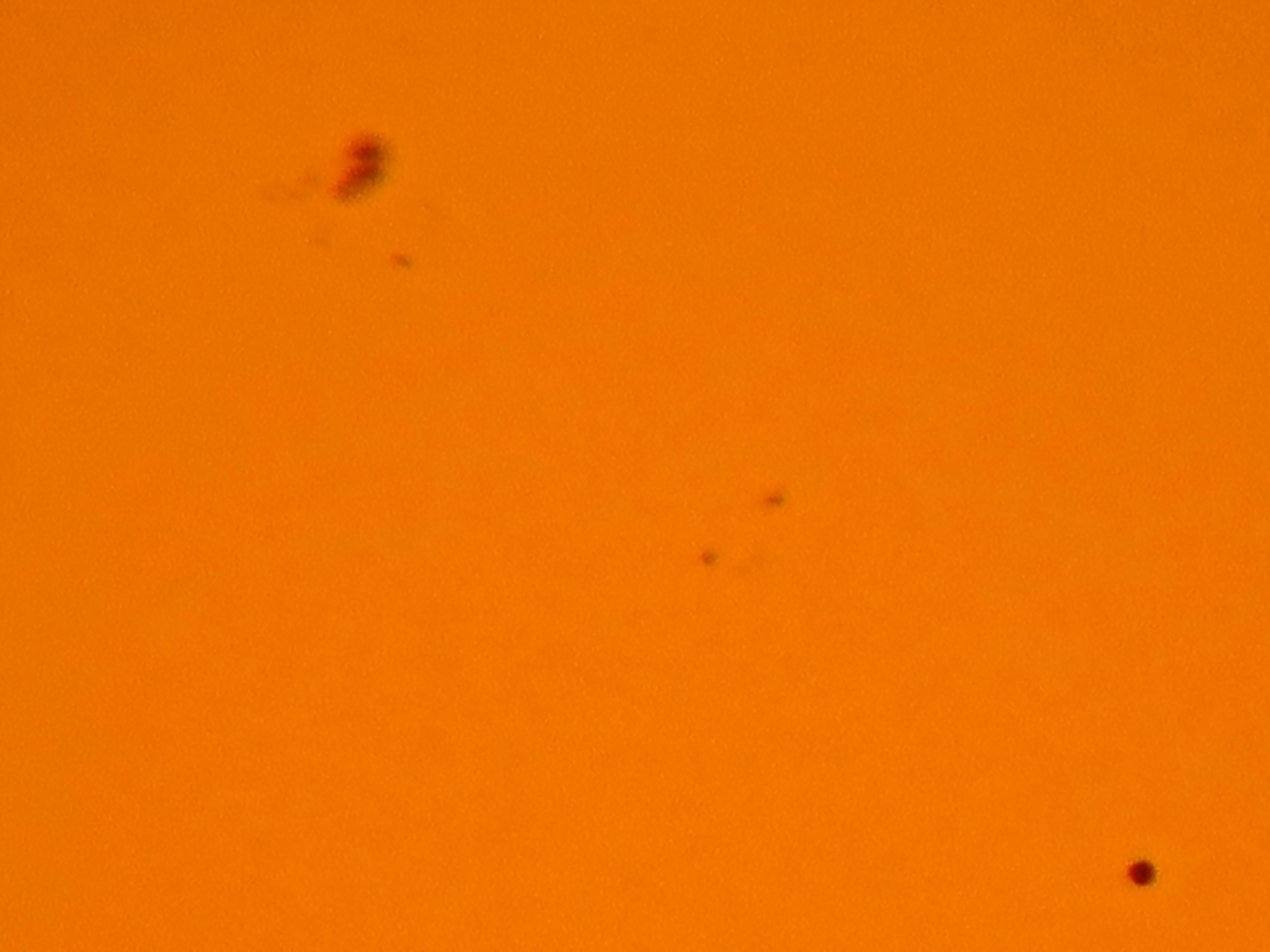
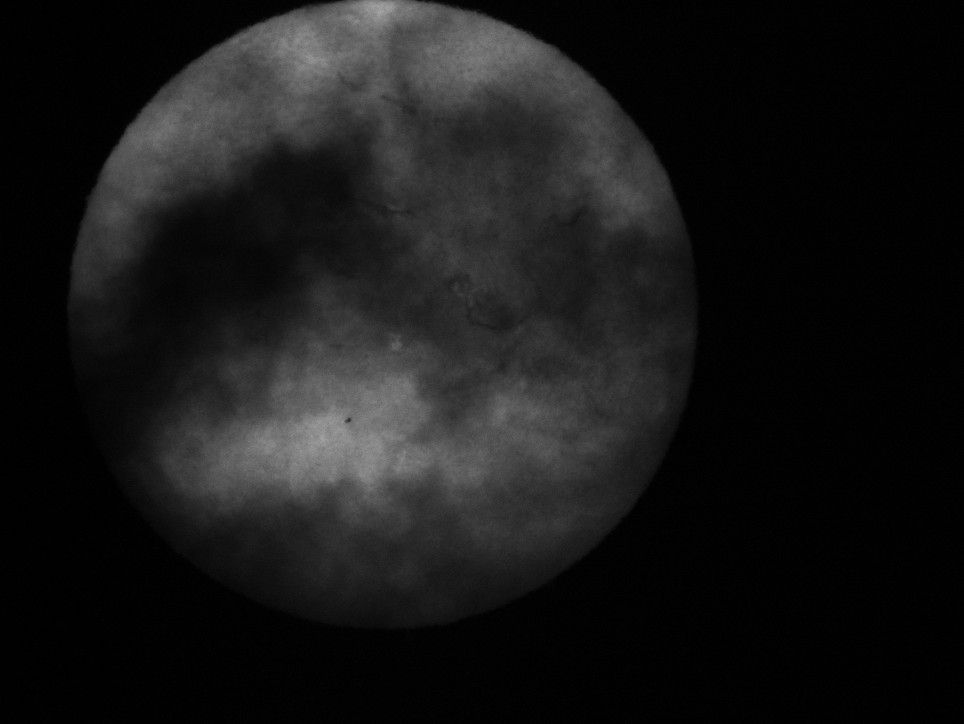
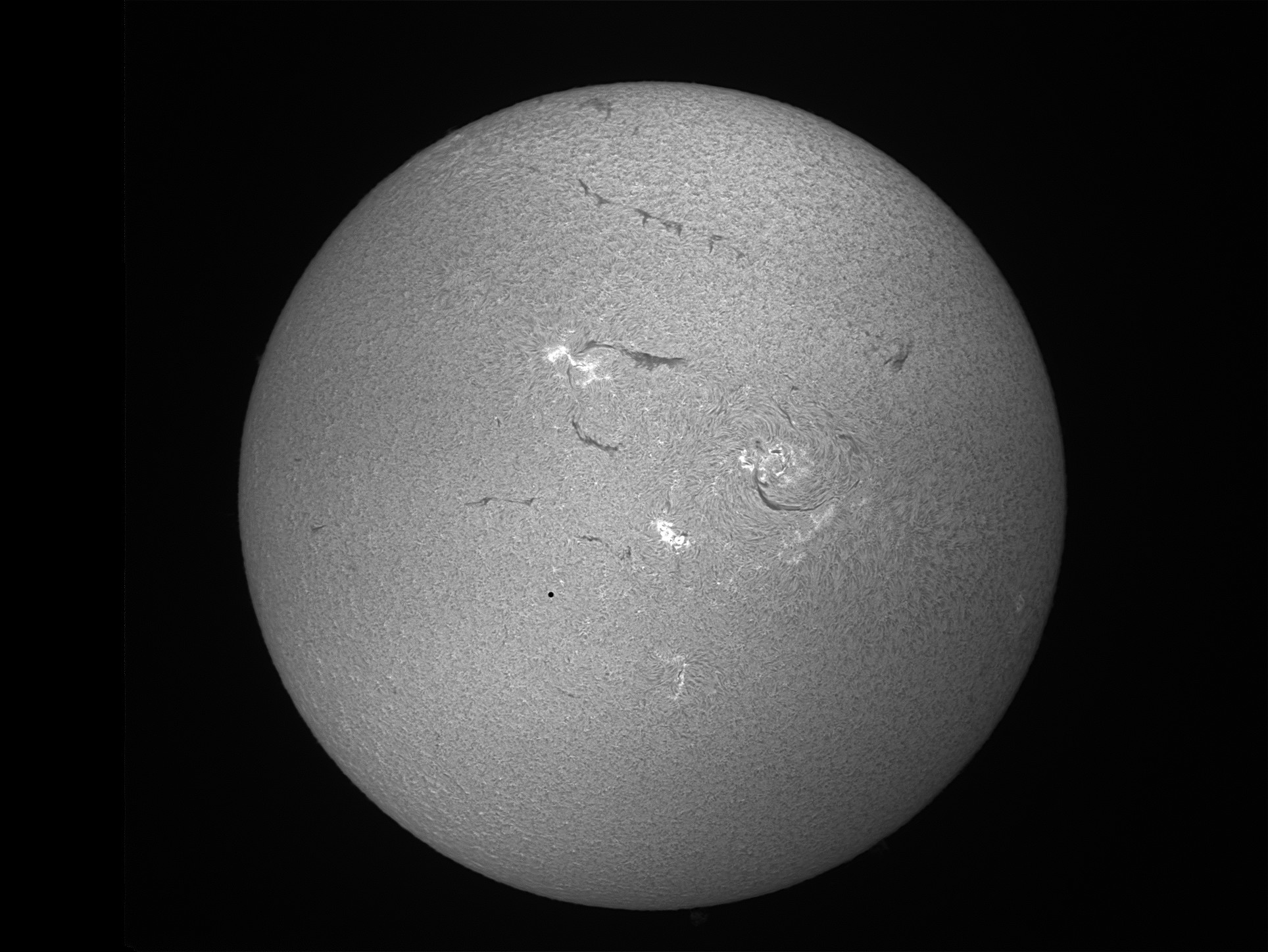
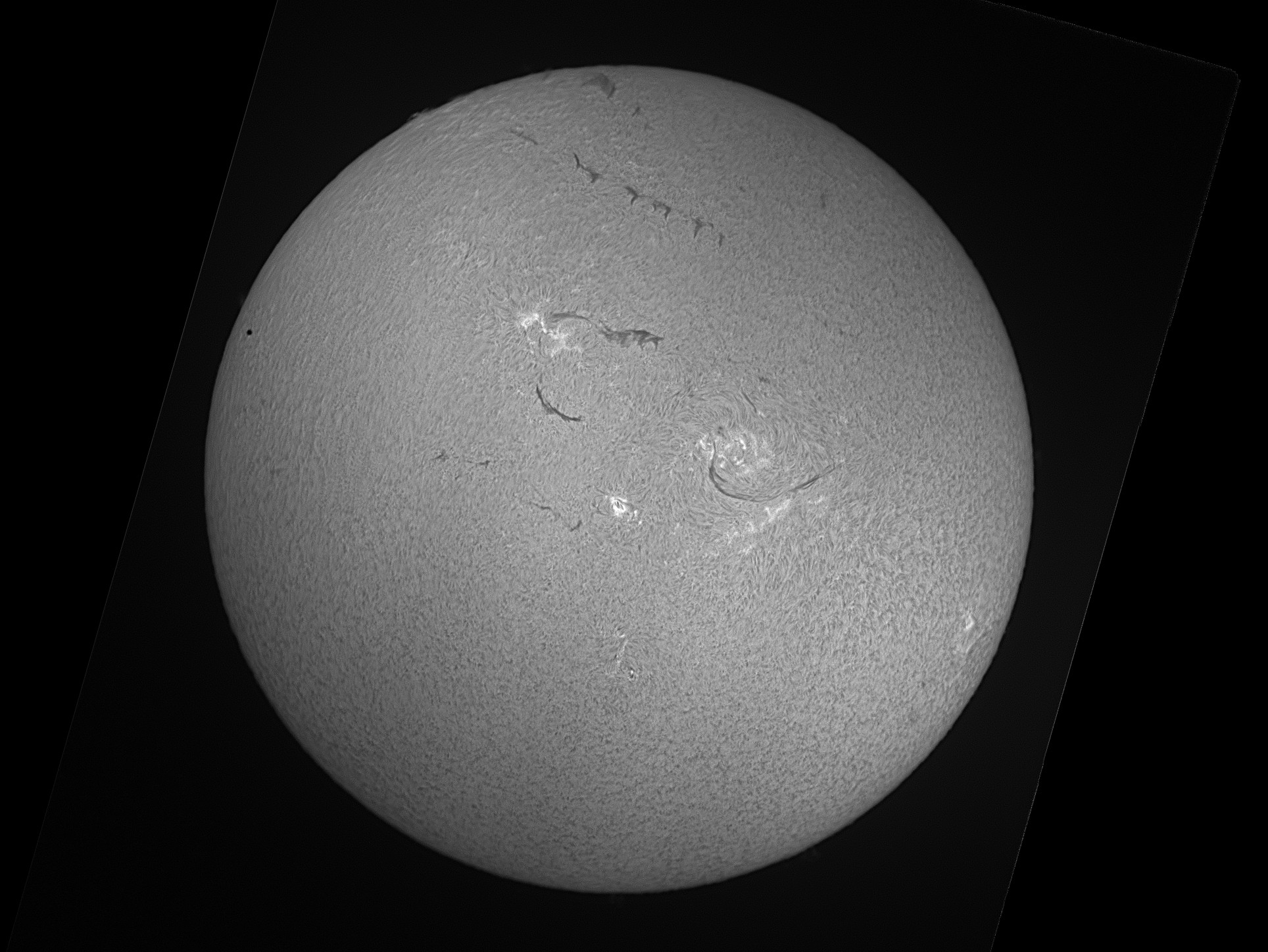
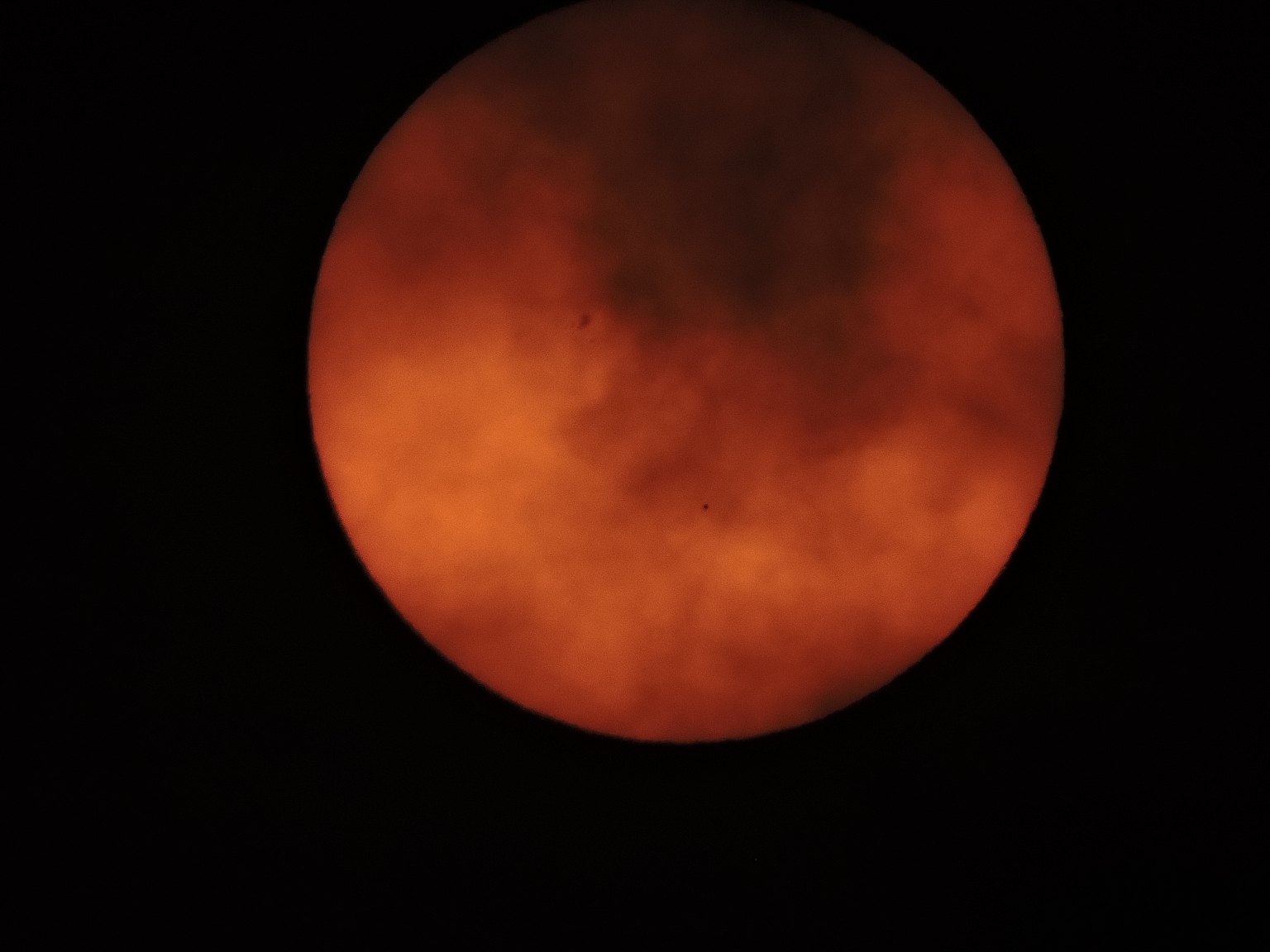
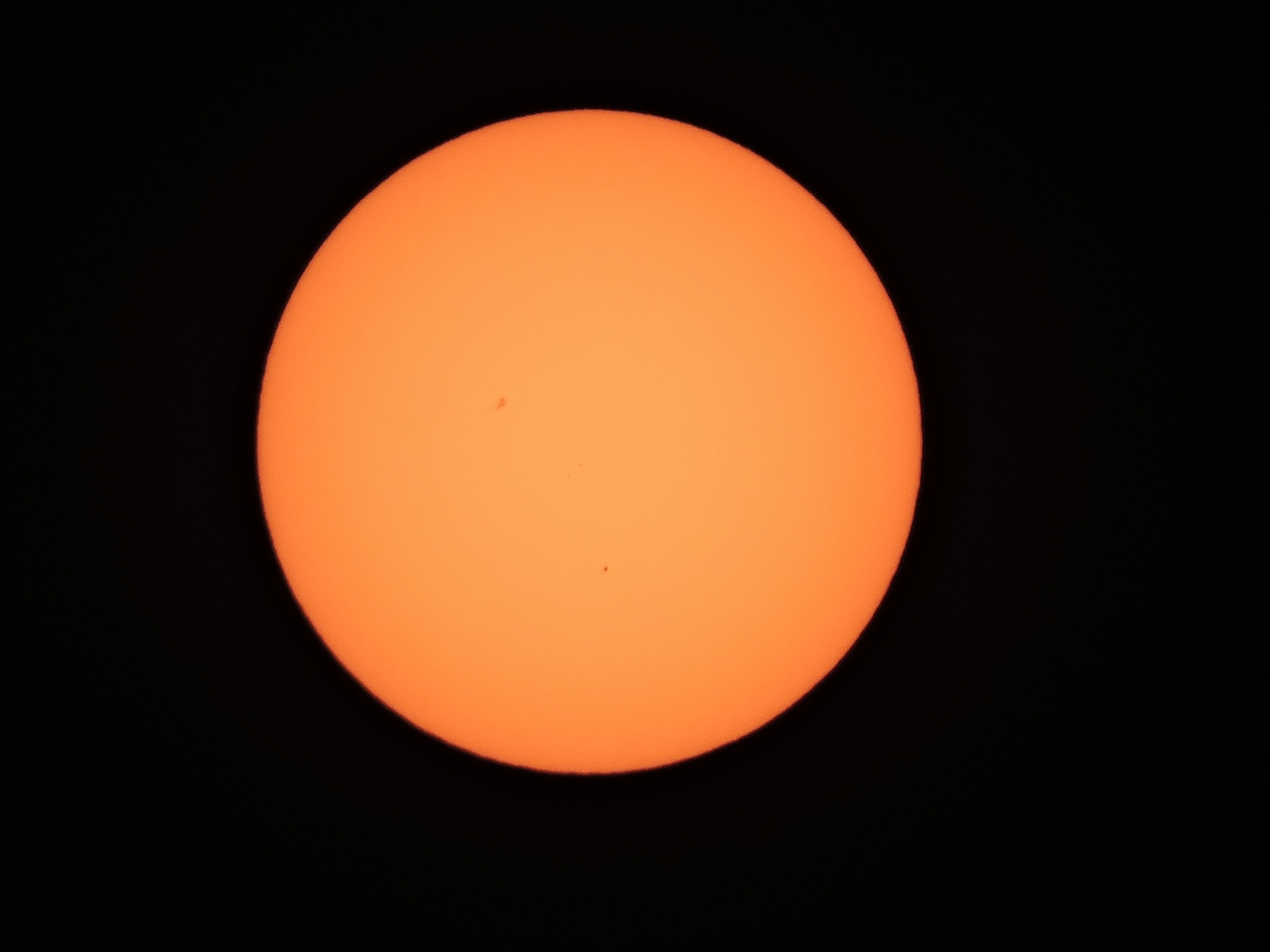
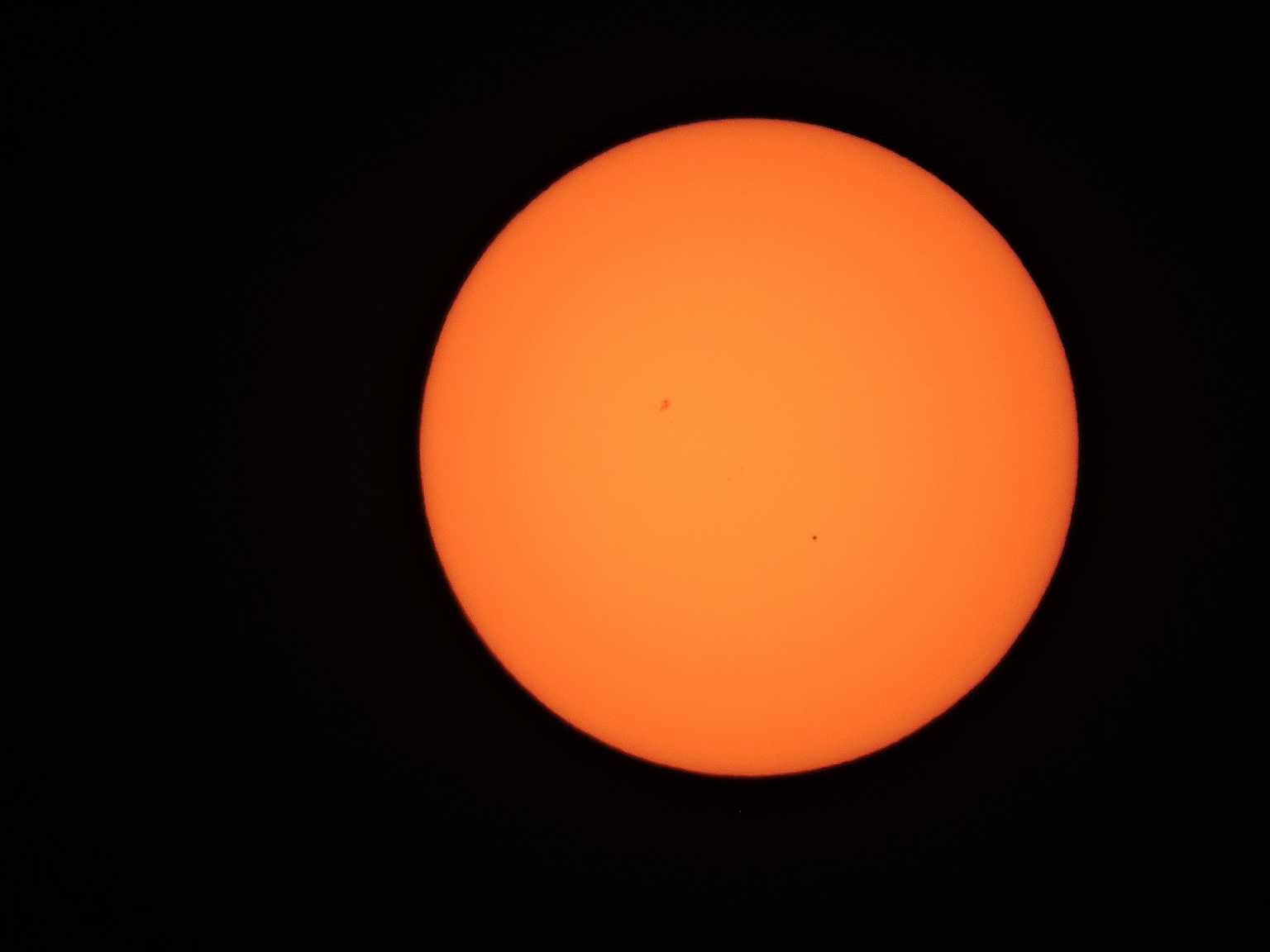
The silhouette of Mercury shared the Sun with a small sunspot group. In the images below, Mercury is the perfectly round dot on the lower half of the Sun. The sunspot is the irregular shaped blemish. Additionally, the H-Alpha image shows dark streaks (filaments) and bright areas (plages).

Dennis' white light image.

Dennis’ white light image.

Tom's H-Alpha image.

Tom’s H-Alpha image.

But the weather being what it is, as the event headed towards third contact, the clouds moved back in and the end of the transit was only marginally visible through the cloud gaps.

We need to, once again, thank our unofficial ‘official’ event photographer, Marietta Hausch, for the terrestrial photos.

 Posted by at 9:54 am
May 172016
 

Once again the Hurlburt Field Library hosted a star gaze for their patrons. They also advised local scout groups of the event and several scouts joined in the festivities.

Club members Dean Covey, Tom Haugh and Dennis Hausch started things off with their solar equipment. There was a small sunspot group visible in the white light filtered scopes, but the H-alpha view was fairly unimpressive with only the smallest hint of a solar prominence.

Dennis assists the scouts at Tom's H-Alpha scope.

Dennis assists the scouts at Tom’s H-Alpha scope.

Frank awaits the darkening sky.

Frank awaits the darkening sky.

By then club member Frank Atchison arrived and added his 8″ Meade SCT to the collection of telescopes pointed at the sky.

As the Sun started setting, the darkening sky brought Jupiter into view. As the line started to form at Dennis’ Mak-Cass Tom interrupted the growing anticipation and started briefing the crowd on star gaze etiquette, telescope safety and how to use the star charts that we routinely hand out at our events. Since the library brought their 4.5″ Newtonian reflector to the event, he explained the library’s telescope lending policy. But the King of Planets could no longer be held off and night time viewing started in earnest.

Tom briefs the growing crowd.

Tom briefs the growing crowd.

Look! Jupiter!

Look! Jupiter!

The rest of the evening, many celestial objects were targeted. In addition to Jupiter, the Alcor/Mizar pair, the Beehive Cluster and many others were presented to the guest observers.

We want to thank the library for the invitation to join them and we also want to thank the base airmen who volunteered to assist the library. Their help was much appreciated.

 Posted by at 8:39 am